Ultherapy PRIME for Knees: What the U.S. Clearance Means Before a Seoul Visit
A new U.S. knee indication does not settle Korean authorization or personal suitability. Here are the records and questions to bring to a body-treatment consultation.
Ultherapy PRIME has a U.S. clearance for improving the appearance of loose skin at the knees, announced by Merz Aesthetics on August 11, 2026. For a Seoul visitor, the next step is a consultation about local authorization and the actual concern at the knee. The announcement does not establish a Korean knee indication, guarantee a result or mean that ultrasound treatment addresses knee pain, joint disease or every cause of a change in leg appearance.
What the U.S. announcement establishes
The FDA database lists the Ulthera System under clearance K260618, with a decision date of May 21, 2026. Merz subsequently identified knees as the new treatment area in its August announcement. The U.S. instructions for use include improvement in the appearance of skin laxity on the abdomen, arms and knees. Keep the exact device, jurisdiction and body area together when reading a claim about clearance.
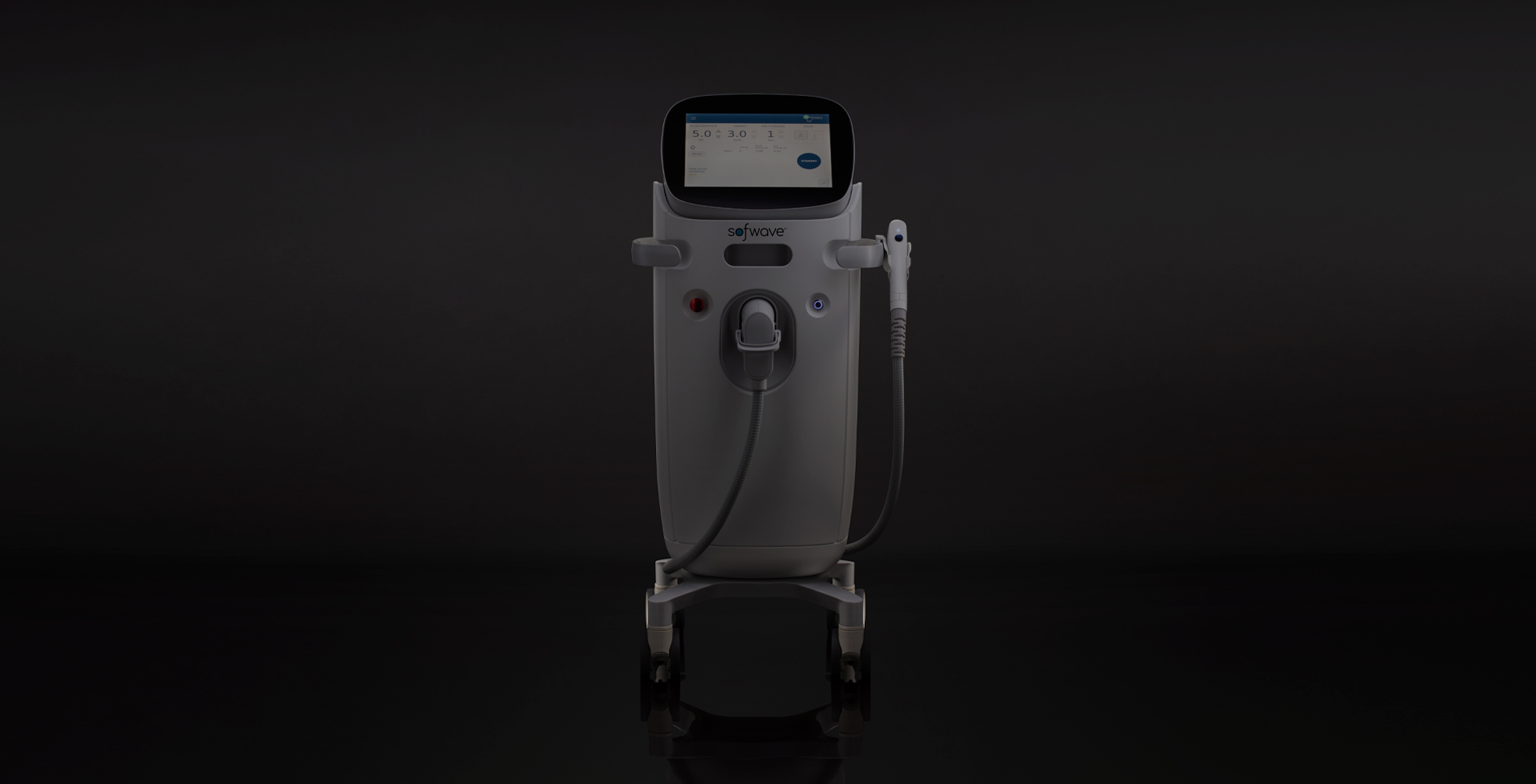
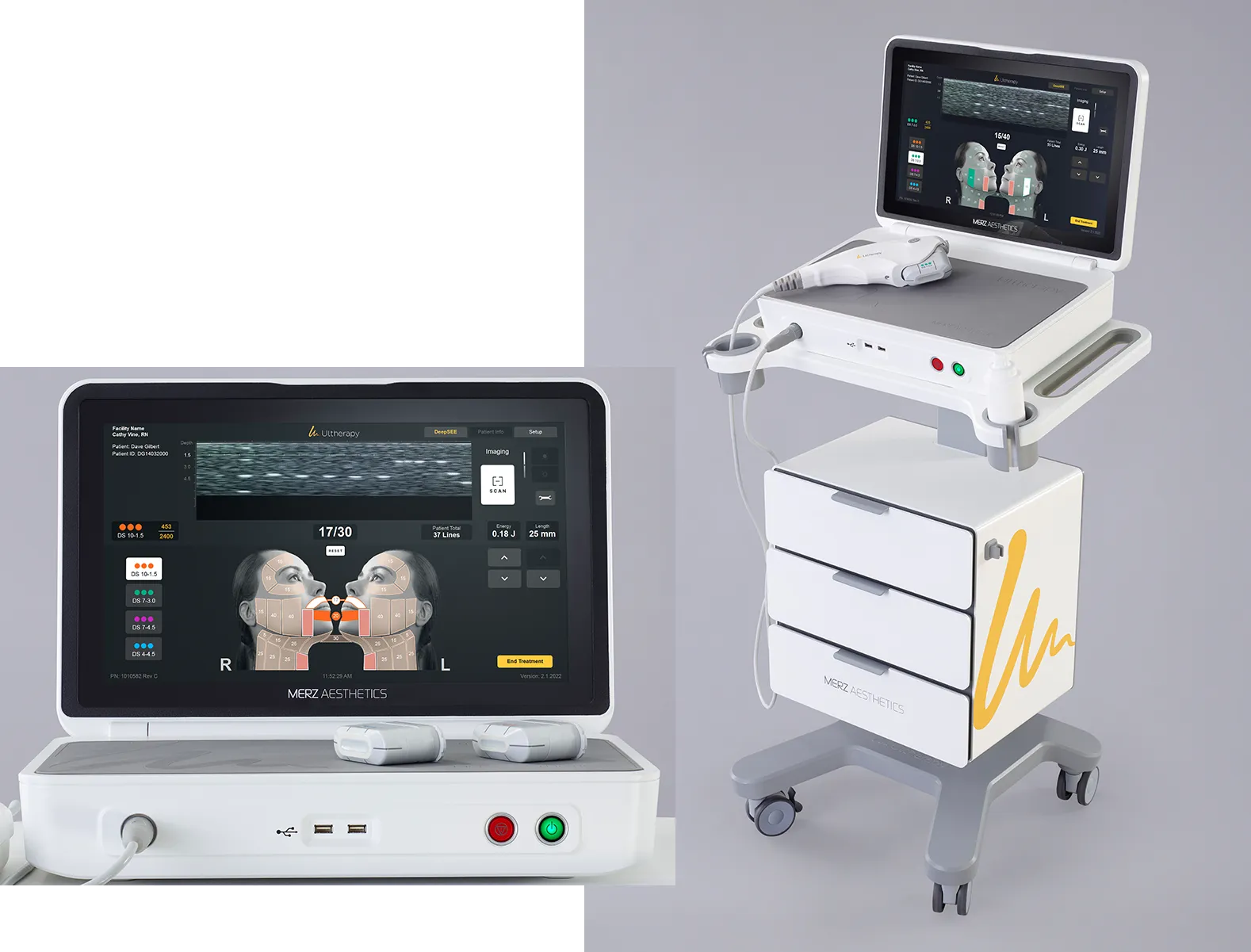
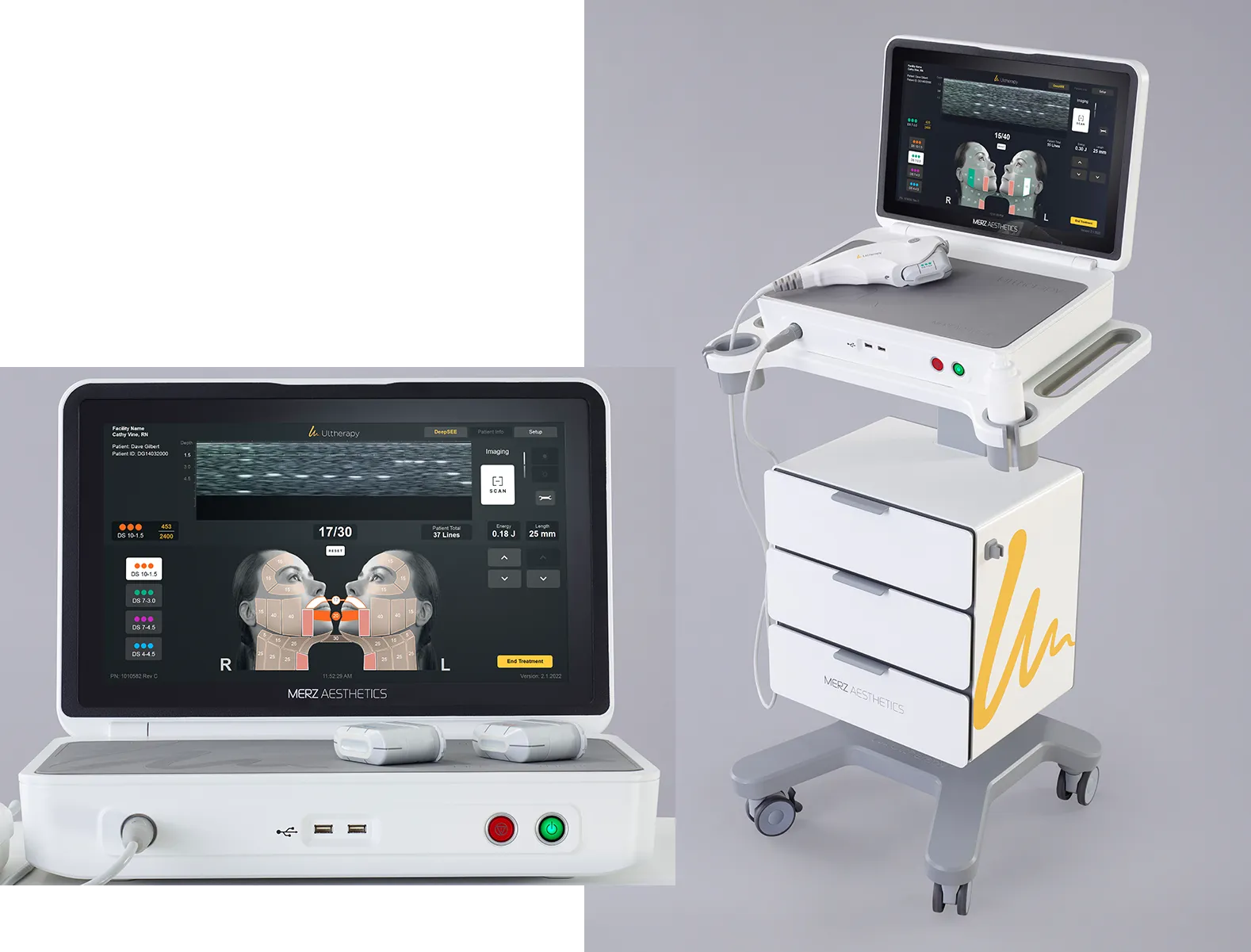
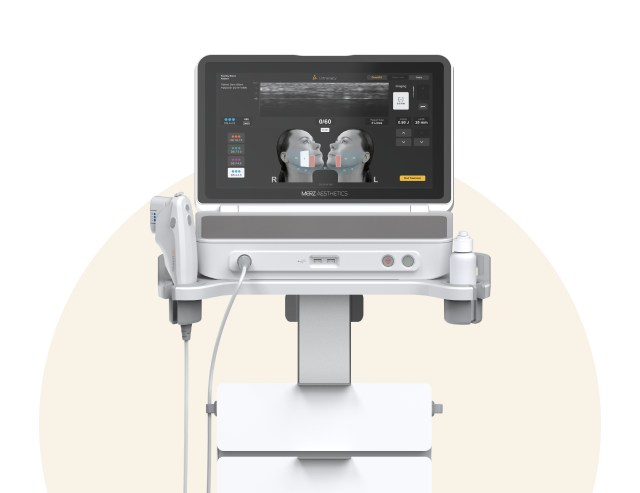
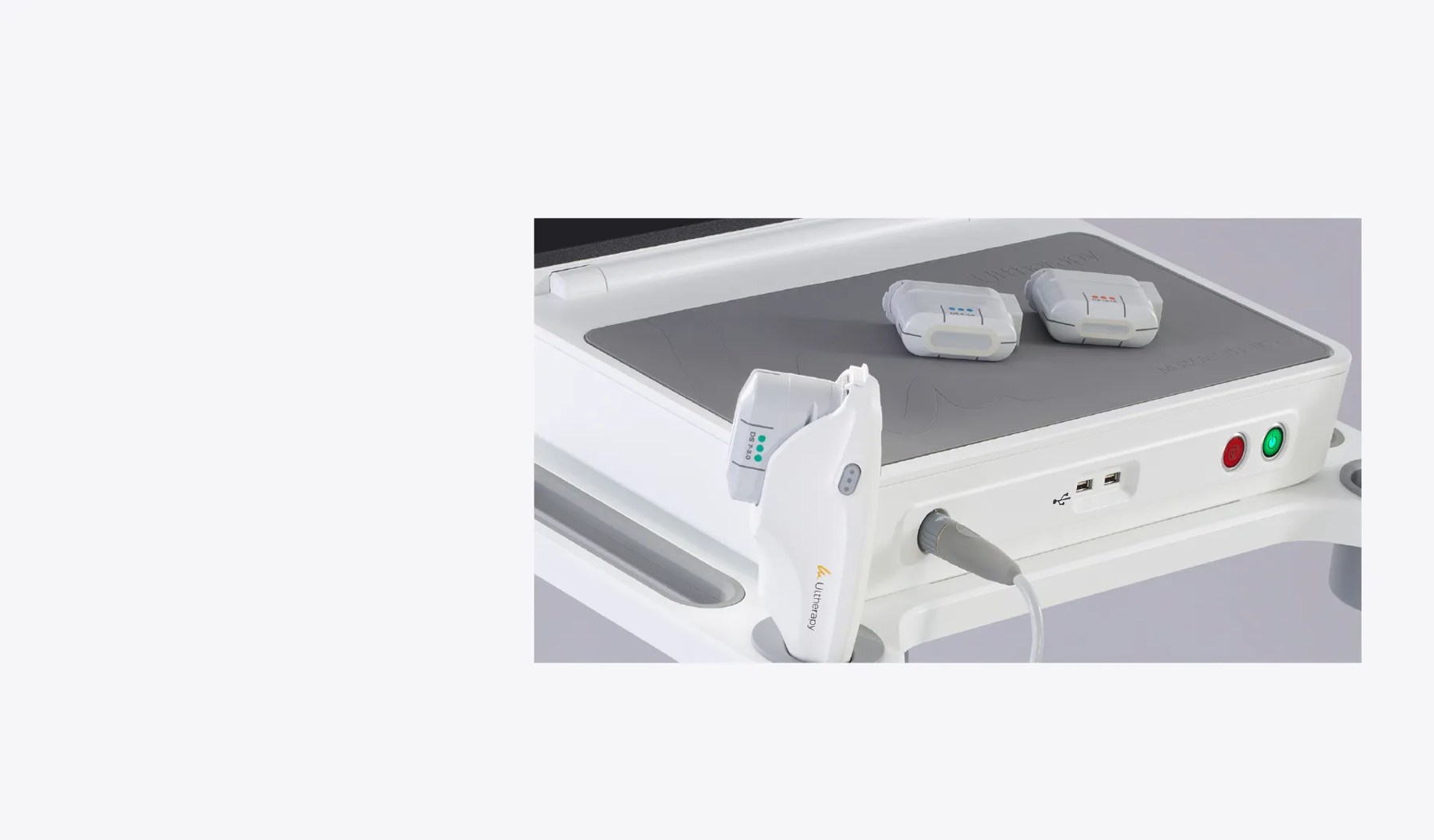
Ultherapy combines focused ultrasound treatment with real-time ultrasound visualization. The manufacturer instructions explain that imaging is used to view tissue and support assessment of the treatment depth. This is a clinical planning function, not a guarantee that a particular person is an appropriate candidate. Nor does a photograph of the console demonstrate that a specific clinic has the same model, trained staff or the required local authorization.
Ask what is proposed in Korea
The Merz Korea product page checked on November 11 describes facial and décolleté uses and does not establish the U.S. knee expansion as a Korean indication. Ask to see the current local product information for the proposed treatment. If a practitioner offers treatment outside the locally labelled indication, ask them to explain that distinction, the evidence, the uncertainties and the alternatives during consent. Do not infer local approval from an overseas news release.
Describe the concern in your own words before requesting a device by name. Explain where you notice the change and whether there is pain, a history of injury, a previous procedure or an implant. Ask what the examination can establish and whether another assessment is needed. An aesthetic appointment should not be used to self-diagnose a knee or circulation problem from a photograph or a social-media comparison.
Plan around assessment and follow-up
The U.S. instructions list contraindications including open wounds or lesions, severe or cystic acne in the treatment area, and active or metallic implants in the treatment area. Tell the clinician about implants, previous procedures, health conditions and medicines, including anticoagulants. Let the treating professional interpret their relevance. Do not change prescribed treatment or conceal a medical history to meet a travel appointment.
The same instructions discuss redness, swelling, discomfort and nerve-related effects among possible adverse events. Ask what symptoms to expect, which need assessment and how the team would manage a problem after departure. A marketing phrase about returning to activities is not an individual clearance to fly, exercise, take a long walking tour or leave medical follow-up unfinished. Discuss those plans explicitly rather than converting a consultation into a promised recovery timetable.
Questions to send before a deposit
- Which exact device and local indication would apply to my proposed knee treatment?
- What is the diagnosis or aesthetic concern that the examination needs to clarify?
- Are there reasons to defer treatment because of my skin, medicines or implants?
- When would results and side effects be reviewed, including after I return home?
- What treatment record, written instructions and urgent-contact details will I receive?
Provide your departure date when requesting the appointment and allow assessment to change the plan. Keep the clinician’s explanation of local status separate from the overseas announcement. Before agreeing to treatment, make sure the proposed area, consent information, follow-up responsibilities and contact route are recorded in a language you understand. The equipment photographs accompanying this guide illustrate the system; they are not knee-treatment results.