Ultherapy or Thermage in Seoul? Compare the Consultation, Not a Before-and-After
A visitor-focused comparison of microfocused ultrasound with visualization and monopolar radiofrequency, including records, travel timing and follow-up planning.
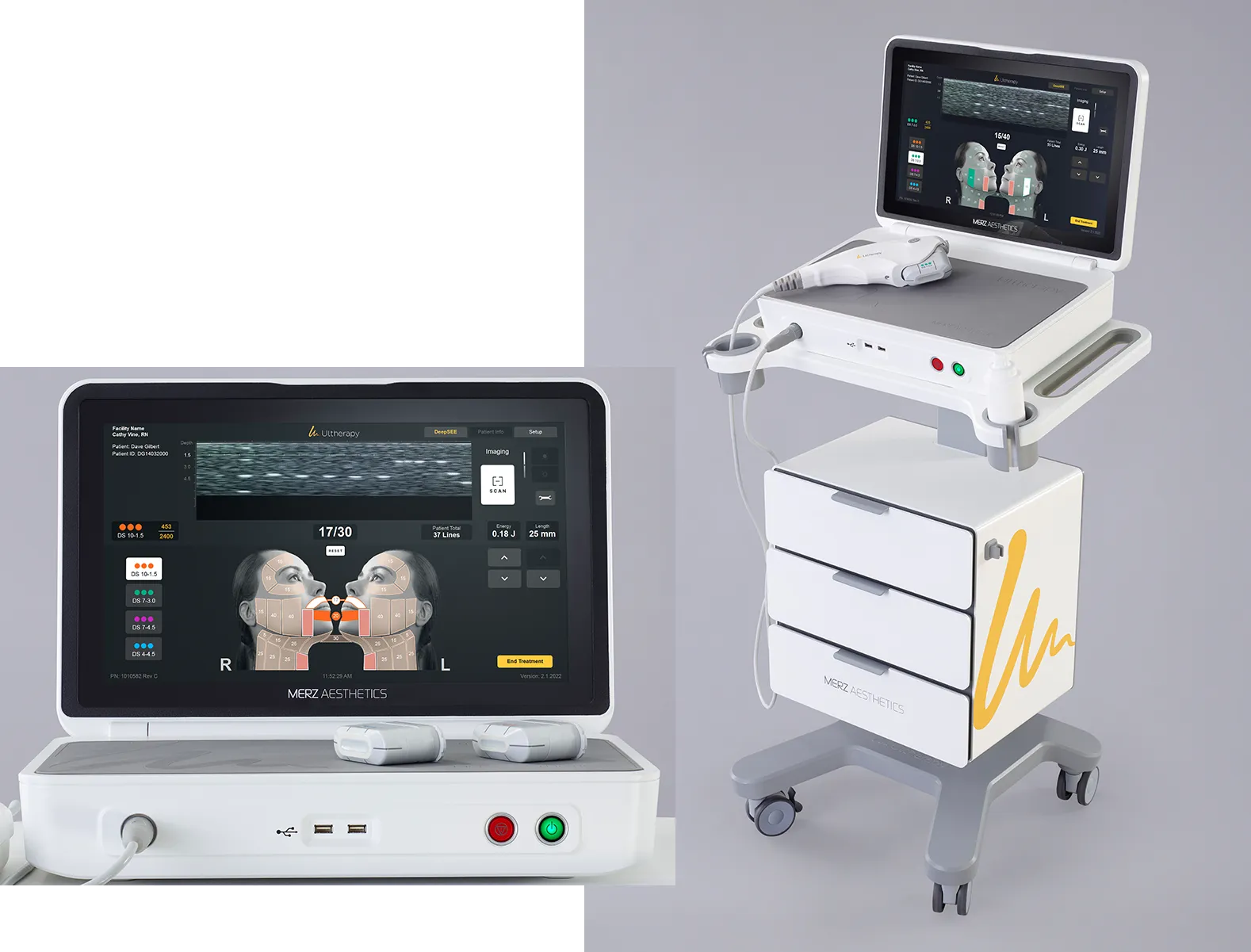
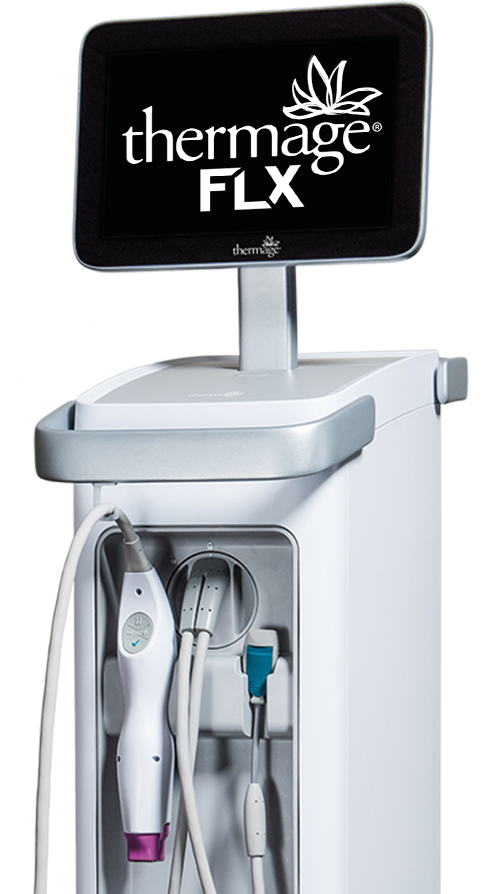
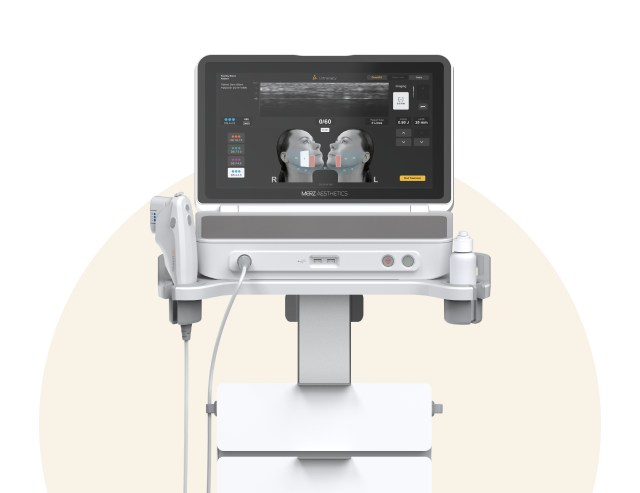
Ultherapy and Thermage are often placed in the same Seoul lifting menu, but they do not use the same energy or planning tools. Ultherapy PRIME uses microfocused ultrasound with real-time visualization. Thermage FLX uses monopolar radiofrequency delivered through area-specific tips.
The useful question is not which device is universally better. It is which treatment, if either, a qualified clinician considers appropriate for your anatomy, history, priorities and travel schedule after an in-person assessment.
Start with energy and treatment planning
Ultherapy PRIME displays tissue with ultrasound and uses transducers designed to treat at 1.5, 3.0 and 4.5 mm. The screen supports visualization before and during treatment. The plan is documented with areas, transducers and treatment lines.
Thermage FLX delivers radiofrequency through Total, Eye or Body tips. The plan is documented with the device generation, tip, area and REPs. Because tip surface areas differ, REP counts should not be compared without the tip and treatment map.
Neither description determines personal suitability. A device label cannot replace an examination, medical history or discussion of alternatives, including deciding not to treat during the trip.
Compare the consultation questions
For Ultherapy, ask which tissue layers are being visualized, which transducers are planned and how the line pattern relates to the proposed area. Ask who will review the real-time image and perform the treatment.
For Thermage, ask which tip will be used, its intended area and how many REPs are planned. Eye treatment requires its own safety discussion, including the plastic eye shields described in the manufacturer’s information.

For both, disclose prior fillers, threads, surgery, energy treatments, implants, medicines and relevant health conditions. The manufacturer information is not identical, so a single generic consent explanation is not enough.
Do not let a short trip erase follow-up
Manufacturer pages commonly describe little or no downtime, but both devices have reported adverse effects. Temporary changes may occur, and less common complications require medical review. Ask what the clinic expects for your plan and which symptoms need urgent contact.
Schedule the appointment early enough in the Seoul stay to allow an in-person check if advised. Avoid placing it immediately before a long flight, a major event or another procedure. Your treating clinician should advise on sequencing.
Obtain an English record when possible. For Ultherapy, keep the generation, areas, transducers and lines. For Thermage, keep the generation, tip, areas and REPs. Store the treating clinician’s contact details with the record.
Use photographs as context, not a forecast
Before-and-after photographs do not predict your outcome. Lighting, expression, timing and individual anatomy can affect comparisons. Ask for a description of realistic uncertainty, possible temporary changes and alternatives instead of a promise based on one photograph.
- Identify the exact device generation.
- Ask how the treatment map was chosen.
- Request the device-specific treatment record.
- Plan follow-up before leaving Korea.
- Choose only after an in-person assessment by a qualified clinician.
If you are deciding between Ultherapy and Thermage in Seoul, book a consultation rather than a fixed device package first. Bring your procedure history and departure date, then ask the clinician to explain why one plan, another plan or no treatment fits the visit.