Ultherapy PRIME in Seoul: What the Live Ultrasound Screen Actually Changes
Understand real-time visualization, the 1.5, 3.0 and 4.5 mm transducers, treatment records and the questions a short-term visitor should ask before booking.
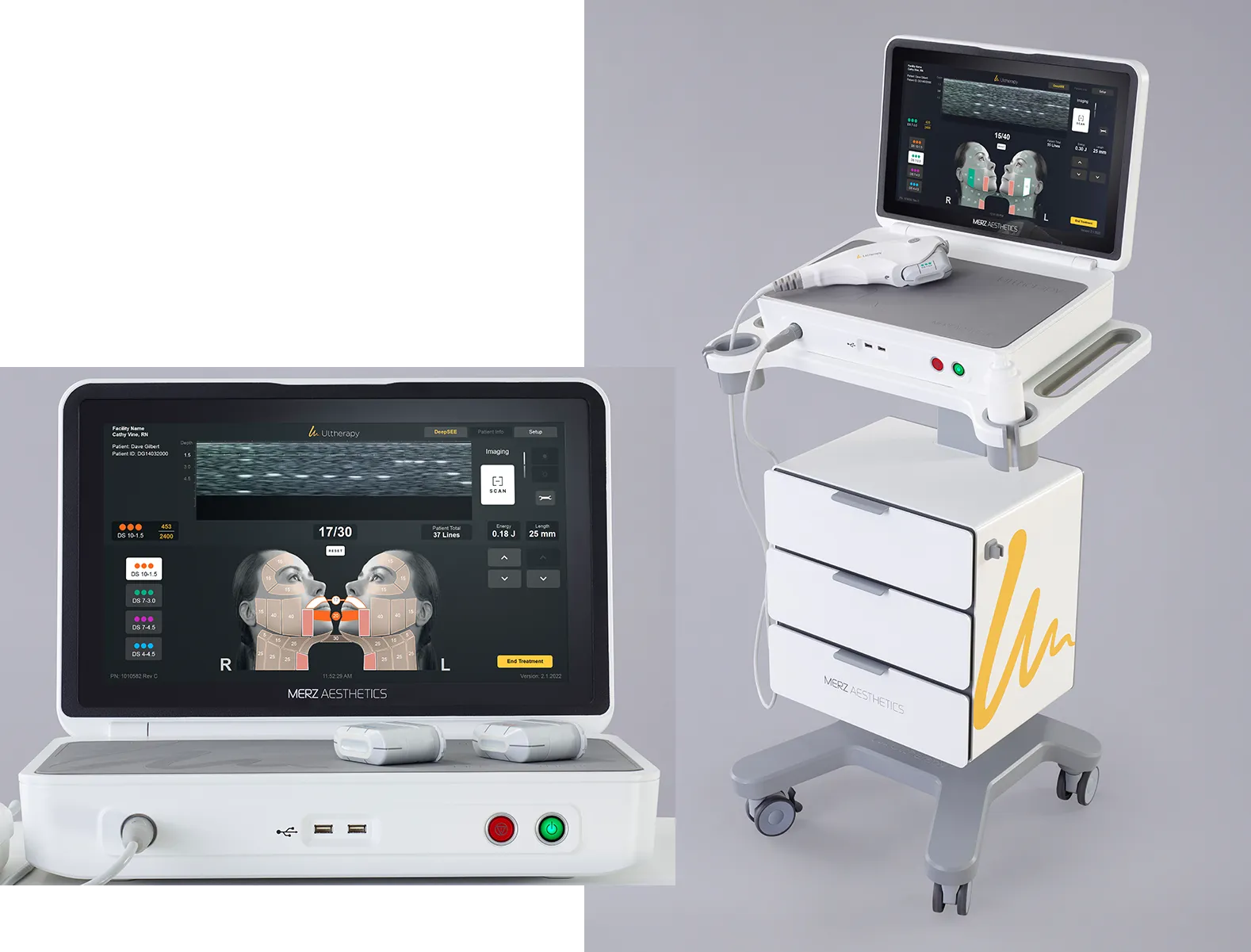
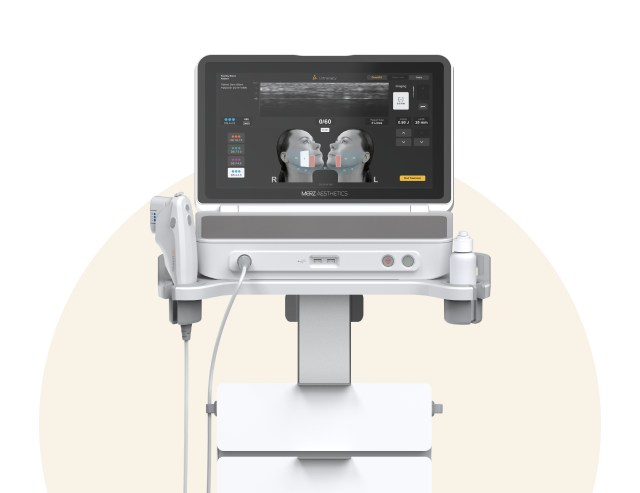
Ultherapy PRIME is not simply an ultrasound energy device with a larger screen. Its defining practical feature is that the practitioner can view tissue in real time before and during treatment. For a visitor booking in Seoul, that makes the consultation about anatomy, treatment area and device use rather than a line count alone.
The manufacturer describes PRIME as a microfocused ultrasound system with visualization. The screen can display tissue to a depth of up to 8 mm, while the treatment transducers deliver energy at specific depths. This information helps a qualified practitioner plan contact and placement; it is not a self-diagnosis tool for patients.
The three treatment depths are not three promises
Ultherapy lists DeepSEE transducers for treatment at 1.5, 3.0 and 4.5 mm. The official system page describes these as the superficial dermis, deep dermis and SMAS or platysma levels. A depth label identifies where a transducer is designed to deliver energy, not how much lifting a person will receive.
The practitioner may use more than one transducer in a treatment plan, but the selection should follow an examination of the area and the device image. Ask which depths are being considered and why. Do not request a depth solely because it appears in an online package description.
The handpiece works with multiple transducers, including narrower variants listed in the official Instructions for Use. The product name, treatment depth and target area should be clear before the procedure starts.
What to ask about the live screen
Ask whether the clinic is using Ultherapy PRIME or a legacy Ultherapy system. Both belong to the Ulthera family, but the screen and workflow differ. The answer should match the device visible in the room and the treatment record you receive.
A useful question is: What are you checking on the ultrasound image before delivering a line? The clinician should be able to explain the purpose in plain language without promising a result. A visitor does not need to interpret the image independently.
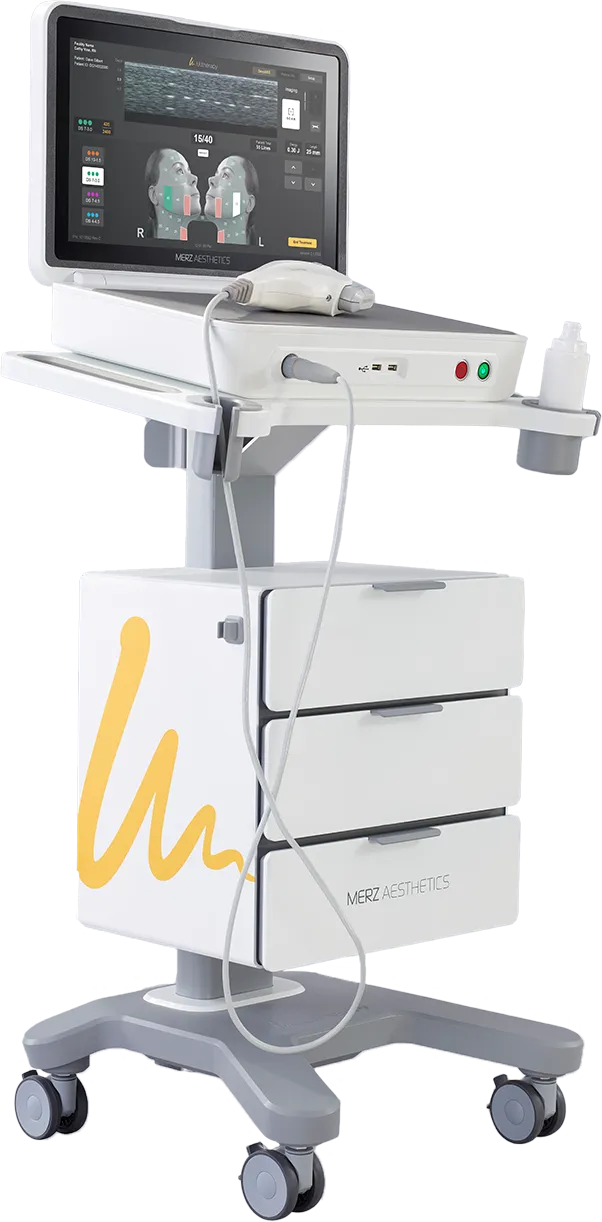
Confirm that a qualified medical practitioner will assess you, operate or directly supervise the treatment as required in Korea, and be available if symptoms develop. This guide does not evaluate individual Seoul clinics.
Keep a treatment record for travel
Before leaving, request a record of the exact device generation, areas treated, transducers used and total lines delivered. Line count is useful documentation, but it does not describe placement, contact, energy settings or individual anatomy.
Save the clinic’s medical contact method in a form that works outside Korea. Ask which symptoms require an urgent review and where to seek care if you have already left Seoul. Do this before treatment, not after a flight.
The official Instructions for Use describes possible effects including redness, swelling, welting, tenderness, bruising, altered sensation, nerve effects, burns and scarring. Timing and severity vary. A claim of zero downtime should not replace a discussion of these possibilities.
Build the appointment around the consultation
Do not schedule a device treatment immediately before an international departure or an event you cannot change. Leave enough time for an in-person review if your clinician thinks one is needed.
- Confirm the device generation and treatment area.
- Ask which transducers and depths are planned, and why.
- Keep the line count with the device and area record.
- Obtain written aftercare and an international contact route.
- Disclose implants, prior procedures, medicines and relevant medical history.
Use the live screen as a reason to ask better questions, not as proof of a guaranteed outcome. Bring your medical and treatment history to the consultation and decide only after a qualified clinician has assessed the proposed areas.