RF Microneedling in Seoul: Questions to Ask Before Booking
A 2025 FDA safety communication is a useful reason to slow down: RF microneedling is a medical procedure, and a device name is not a substitute for a careful consultation.
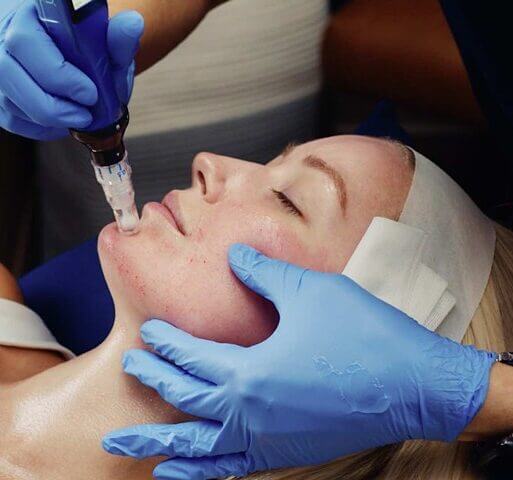
RF microneedling combines an array of small electrodes with radiofrequency energy delivered into or under the skin to create local heating. In Seoul, the treatment may be advertised through a device name, a package name or a broad promise such as tightening or rejuvenation. Those labels do not tell you who will perform the procedure, how the device will be used or whether the plan fits your skin and medical history.
The U.S. Food and Drug Administration issued a safety communication on October 15, 2025 after reports of serious complications with certain dermatologic and aesthetic uses. The reported problems included burns, scarring, fat loss, disfigurement and nerve damage, sometimes requiring medical or surgical treatment. The notice does not say that every treatment causes these outcomes; it does establish that this is a medical procedure with risks that deserve a real consultation.
Start with the clinician, not the package
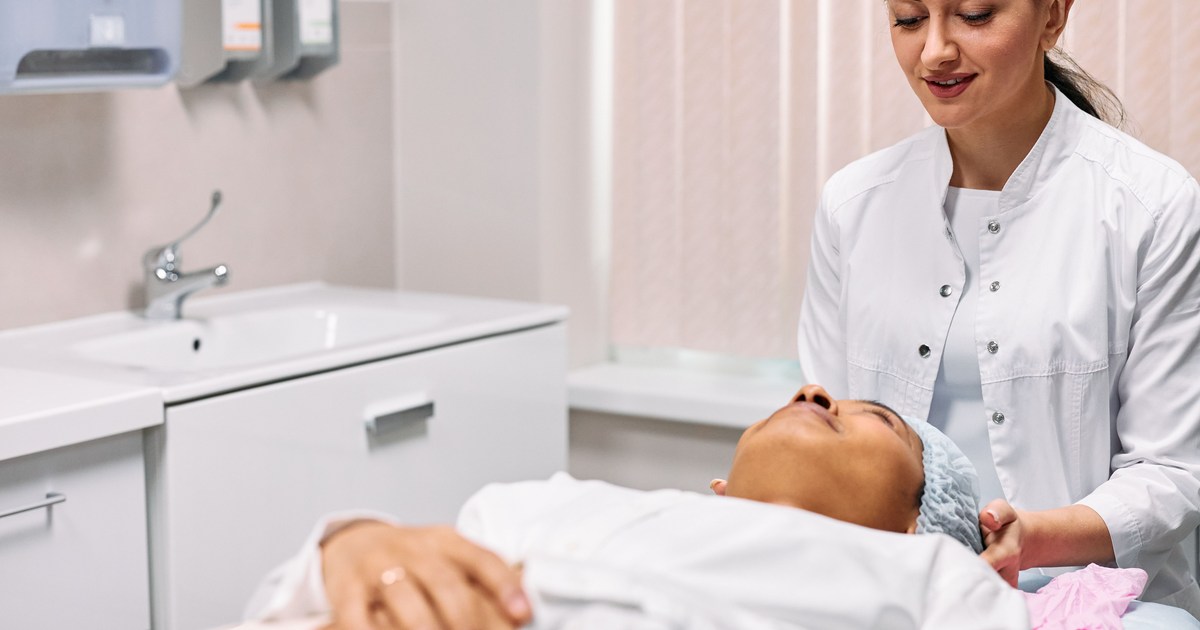
Ask who will assess you, who will operate the device and what training and experience that person has with the exact system proposed. The FDA recommends seeking a licensed health-care provider trained and experienced in RF microneedling. A translator, coordinator or sales consultant can help with logistics, but should not replace the licensed professional responsible for clinical assessment and informed consent.
Ask for the device’s exact manufacturer and model, the treatment area and the reason it is being recommended for your concern. Do not rely on a nickname that combines several procedures. If the clinic proposes additional energy devices, injections or topical products on the same day, ask what each step adds, how the risks interact and whether staging the treatments would make follow-up easier.
Make your medical history part of the plan
Before treatment, disclose relevant skin conditions, previous procedures, scarring history, medications, supplements, allergies and any implanted or electronic medical devices. Mention recent sun exposure, active irritation or infection and a history of cold sores if relevant to the proposed area. This is general preparation guidance; the clinician should decide what matters for your individual case.
Ask what complications the clinic considers possible, which early signs require contact and who is available if a problem appears after hours or after you leave Korea. The FDA advises patients to seek care from a licensed provider if they experience problems or have concerns. A written aftercare sheet and a reachable clinical contact are more useful than a vague promise that downtime is minimal.
Plan around travel, not just treatment day
Request a realistic description of redness, swelling, tenderness, crusting or other expected short-term effects, and ask when you can use makeup, exercise, swim and resume active skincare. Build in time before flights, major photographs or other procedures. A short itinerary can make it harder to distinguish a normal recovery pattern from a complication and harder to return for an in-person review.
Do not use an RF microneedling device at home. The FDA explicitly describes the procedure as medical rather than a cosmetic home treatment. For a Seoul booking, the most useful questions are therefore practical: who is responsible, what exact device and plan are proposed, what alternatives exist, what warning signs matter and how follow-up will work once your trip continues.