Thread Lifts in Seoul: Questions to Ask Before Booking a Short Trip
A thread lift is not simply another name for an energy-based lifting session. Ask about the material, risks, recovery and follow-up before fitting it into a Seoul itinerary.

A Seoul clinic menu may place thread lifts beside radiofrequency and ultrasound treatments, but the terms do not describe interchangeable procedures. The American Society of Plastic Surgeons describes a thread lift as the use of absorbable barbed sutures to change the appearance of facial or neck laxity. Understanding what is being proposed matters more than choosing a familiar menu label.
Ask what would actually be used
Ask for the exact thread product, material, proposed area and the clinician who would perform the procedure. If a quote says PDO or another material abbreviation, ask the clinician to explain it in relation to the specific product. A material name alone does not tell you the placement plan, suitability or expected result.
RF or ultrasound devices apply energy; a thread lift involves placing sutures. Do not infer that a recovery experience or quotation for one approach also applies to another. Ask why a procedure is being proposed for your particular concern, what alternatives exist and whether choosing no procedure is reasonable.
Discuss risks before discussing your sightseeing schedule
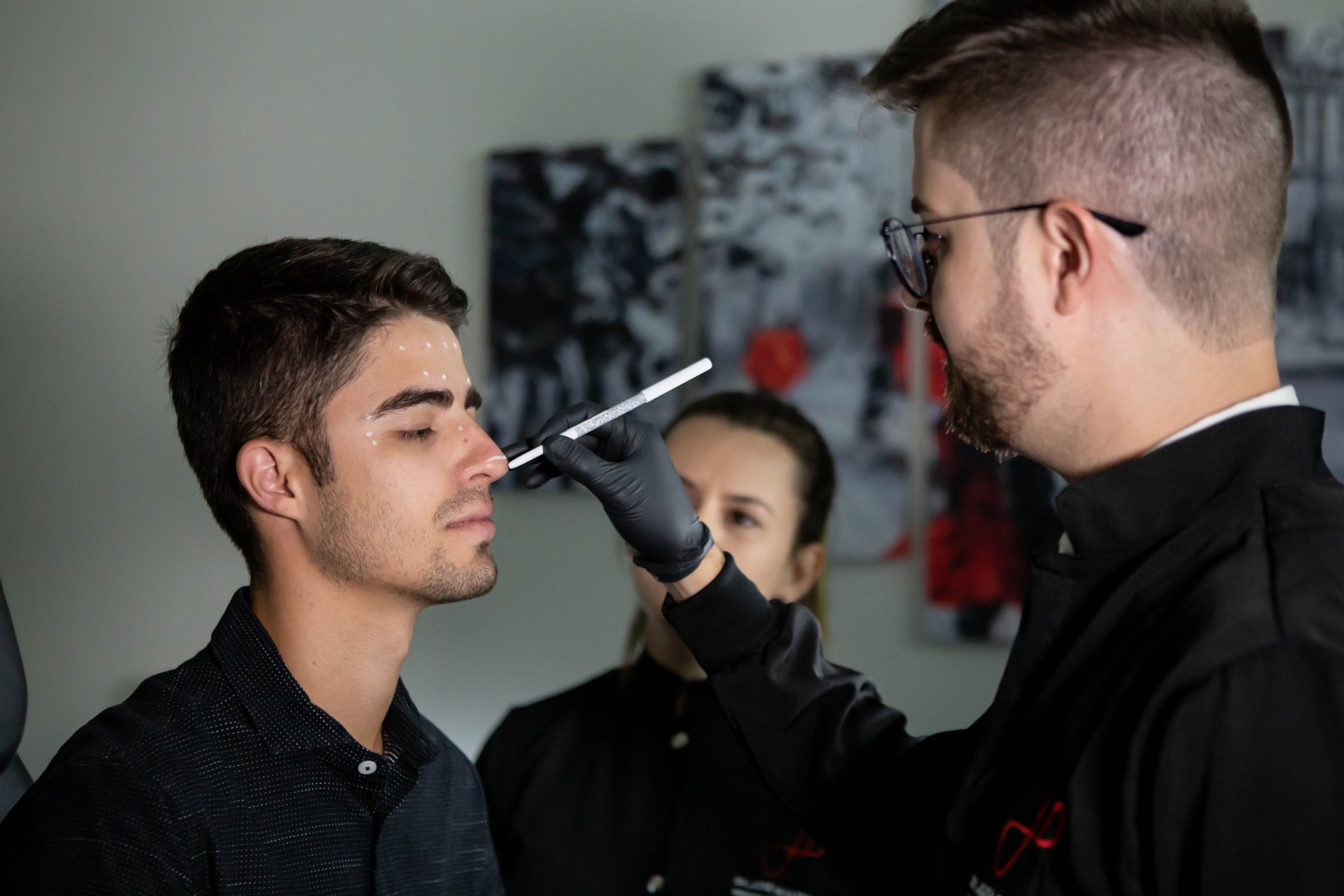
ASPS lists infection, thread extrusion, persistent pain, temporary difficulty opening the mouth, swelling, bruising and an unfavourable result among possible risks. Ask what those risks mean for you, how the clinic would recognise a problem and who would assess you if it occurs. Avoid treating “lunchtime lift” as a promise of negligible recovery.
Build the travel plan around an individual recovery discussion
ASPS advises patients to obtain specific aftercare and follow-up instructions. Its recovery guidance describes possible early swelling, bruising, irritation and discomfort. Before paying, share your flight date, planned events and how long you will remain reachable locally. Ask the treating clinician when you can resume your usual activities and whether a review is needed before departure.
- Ask: “What should I expect in the first few days, and which symptoms should prompt urgent contact?”
- Ask: “Who do I contact after hours, and can the instructions be provided in a language I understand?”
- Ask: “If I am already home when a problem appears, what records can you provide to my local clinician?”
- Request a written quotation that identifies the proposed treatment, included aftercare and follow-up arrangements.
Bring enough information for a useful consultation
Prepare your medical history, current medicines and supplements, allergies and previous facial procedures. Let the clinician advise on their relevance rather than adjusting medication yourself. If the recovery plan cannot fit your trip, postponing a procedure can be a valid outcome of the consultation. This article is general information and does not determine suitability or endorse a provider.
EXPLORE THIS STORY
Partner message
Understand your skin before choosing your next step
Choosing skincare starts with understanding your skin’s needs, sensitivities and the concerns you want to address. A product label or an online routine cannot determine whether cosmetics or a medical assessment are the right next step for you.
If you are unsure where to start, you can enquire about a professional skin consultation at Seolreim Clinic near Gangnam Station in Seoul. A clinician can assess your concerns and discuss skincare and dermatologic procedure options where appropriate, including suitability, risks and costs. A consultation does not mean you need a procedure.