Microneedling in Seoul: Ask About the Device, RF and Aftercare Before Booking
Clarify the procedure, your medical history and your remaining travel days. Standard microneedling and RF microneedling need distinct questions.
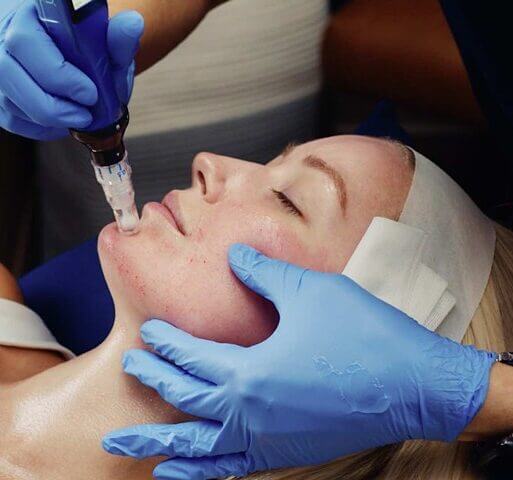
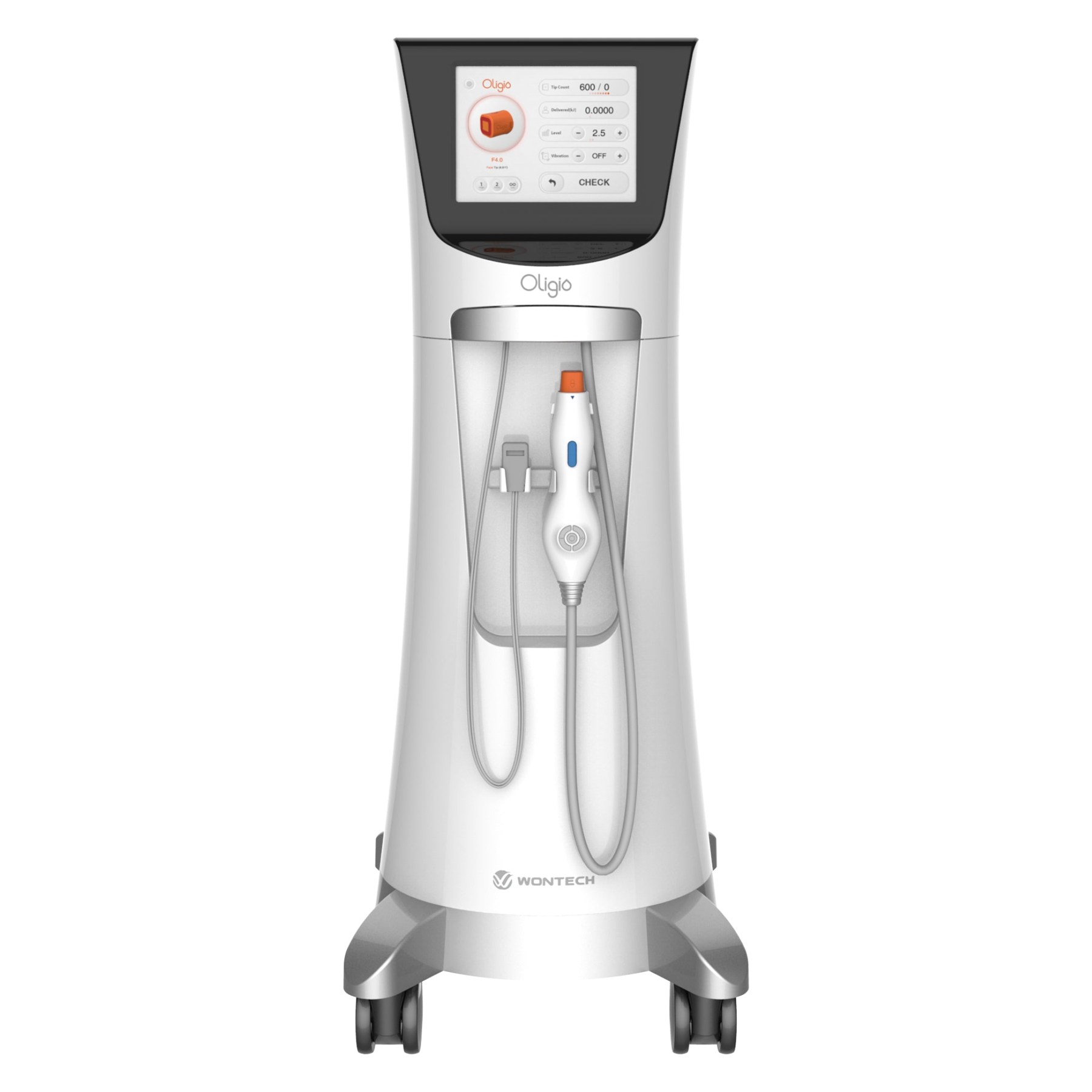
Before adding microneedling to a Seoul itinerary, establish exactly what the proposed procedure involves. Ask for the device name, whether it delivers radiofrequency energy and what follow-up you would need before departure. A translated menu name is only a starting point.
This guide organizes a consultation for an international visitor. It does not select a device, depth, treatment setting or clinic. The useful outcome is a written explanation that you can understand and take home.
Identify standard microneedling and RF
The U.S. FDA describes microneedling devices as instruments that repeatedly insert small needles into skin. Designs include rollers, stamps and motorized pens. Some devices add radiofrequency energy. Ask the clinician which method is proposed and why that specific device and treatment area are being considered.
In its October 15, 2025 safety communication, the FDA reported serious complications with certain uses of RF microneedling, including burns, scarring, fat loss and nerve damage. The communication is U.S. regulatory guidance; it is not a finding that every Korean treatment has the same risk or an approval decision for a Korean device.
For RF, ask who will perform the procedure and what training and experience they have with that device. The FDA describes RF microneedling as a medical procedure and advises consultation with a trained, licensed provider. Ask how the clinic would assess and respond to a problem.
Bring your history to the assessment
AAD guidance emphasizes assessment before treatment and a plan for care before and afterwards. Tell the clinician about recent sun exposure, infections, healing difficulties, raised scars, medicines and previous procedures. Provide medication names rather than only saying acne medicine or allergy tablets.
Bring your normal skincare routine as a short list or photographs of labels. Ask which products you should use or pause and when to resume them. Do not stop prescribed medicine on the basis of a generic travel article.
If an interpreter is involved, ask for the device and product names in their original written form as well as the translated explanation. Give yourself enough time to read the instructions before consenting.
Ask separately about anything applied to the skin
The FDA notes that risks of combining microneedling devices with other products may not have been evaluated. If an appointment includes an ampoule, topical preparation, blood-derived product or another add-on, ask for its exact identity, route of use and supporting explanation. A cosmetic product label and permission for a medical use answer different questions.
FDA information concerns U.S. regulation. For a procedure in Korea, ask how the exact device and proposed use relate to Korean authorization, using MFDS medical-device information as a starting point. A foreign approval logo alone does not settle that question.
Fit the consultation around the whole trip
Bring your departure date and the days you plan to spend outdoors, swim, visit a sauna or attend a photographed event. Ask the clinician to explain the implications for that itinerary. Avoid relying on a package description such as lunchtime treatment to predict your own recovery.
AAD describes temporary redness or darker coloration, discomfort, burning or swelling after microneedling and advises following professional aftercare. Ask for your own instructions on cleansing, makeup, sun protection and when to request medical review. Individual advice should reflect the actual procedure.
- What is the device’s full name, and does it deliver RF energy?
- Who will perform the procedure and assess whether it is suitable?
- What additional substances or procedures are included?
- What should I do before my flight, and who will review me?
- Which symptoms need an urgent examination rather than a message?
Keep the procedure date, device and product details, treating clinician’s name, written aftercare and a medical contact route that works after you return home. Sources were reviewed on October 24, 2026.