Acne Treatment in Seoul on a Short Trip: Plan the Consultation and Follow-Up
Active breakouts need an assessment and a continuing plan. Bring product names, medication details and your departure date rather than expecting a holiday-length cure.
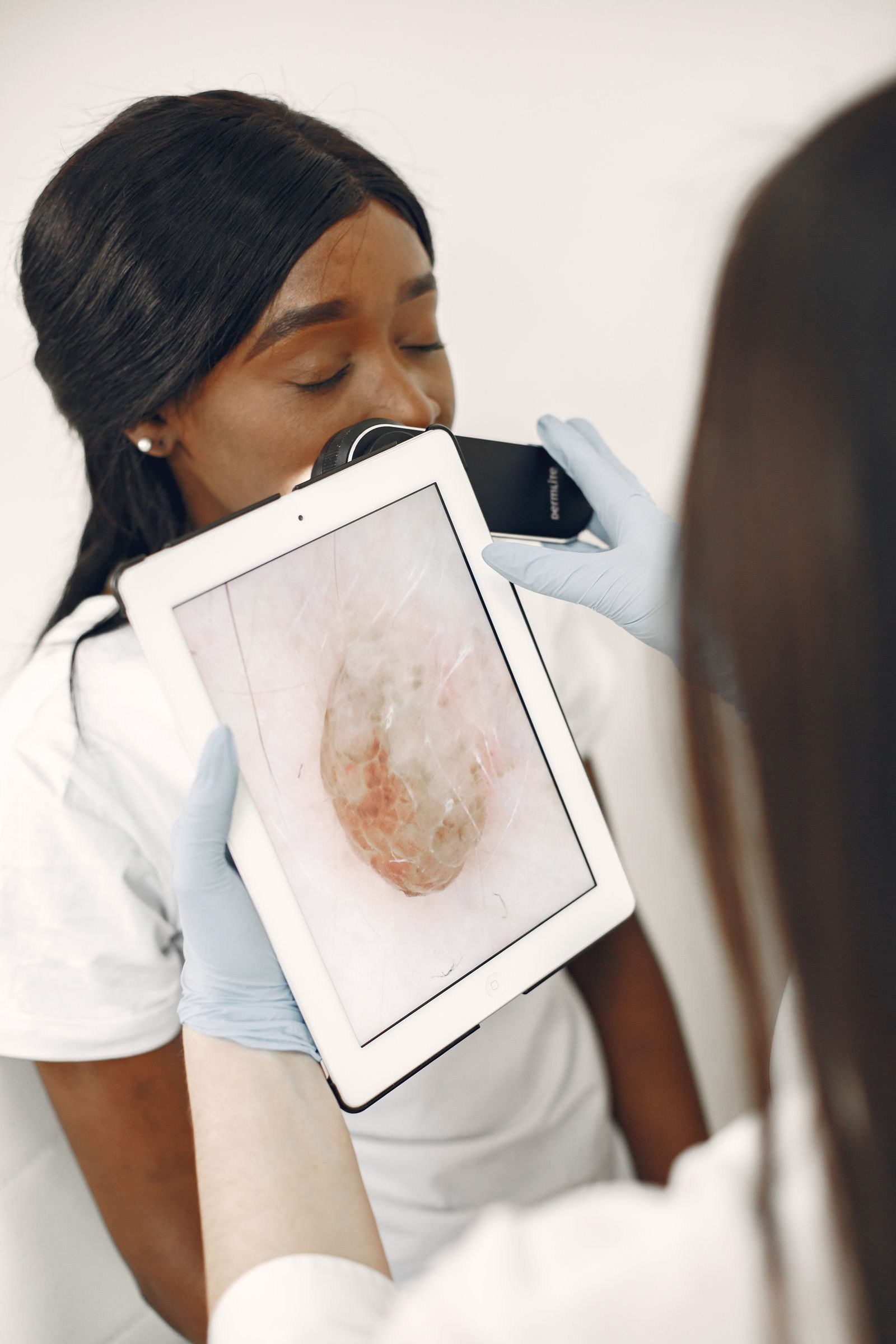
A short trip to Seoul can include an acne consultation, but a plan for ongoing treatment matters more than fitting several procedures into the visit. The American Academy of Dermatology explains that fewer breakouts may take at least six to eight weeks to become apparent. That timeline usually extends beyond a holiday. Bring your current medicines, skincare names and departure date so the clinician can assess active acne and explain what can continue after you return home.
Start with active breakouts and an examination
The first question is whether the current problem is acne and which types of lesions are present. The AAD notes that conditions such as folliculitis or perioral dermatitis can be mistaken for acne. A photograph sent before travel may help describe a concern, but it should not be treated as a complete diagnosis or a reason to preselect an injectable, peel or laser. Ask what needs to be assessed in person.
Active acne and acne scars are different consultation goals. Explain whether you are concerned about new inflamed spots, blocked pores, marks left after spots or changes in skin texture. The same person may have several concerns, but the order of care should come from the assessment. This guide focuses on active breakouts and continuity of care; it does not prescribe a scar procedure or a universal package for visitors.
Bring a record that can cross languages
Prepare a short timeline showing when the problem began, which areas are affected and what has already been tried. Product photographs can be more useful than a translated nickname: include the front label, ingredient or medicine name, strength where shown and how long you used it. List prescriptions, supplements, allergies and previous reactions. Tell the clinician about pregnancy, breastfeeding or plans for pregnancy before treatment is discussed.
Ask for the medicine’s generic name in writing if something is prescribed. A familiar-looking brand name may not identify the same formulation in another country. You should understand what each item is for, how it is to be used, what irritation or other effects to report and who will review progress. Do not start, stop or change a prescribed medicine solely to fit a travel activity; ask the prescribing clinician how to manage the schedule.
Discuss the treatment plan without a quick-cure promise
The AAD’s 2024 guideline covers several topical and systemic treatment options rather than a single treatment for everyone. It emphasizes combining appropriate treatments and limiting antibiotic use where possible. These recommendations explain why an individualized prescription may be more useful than collecting unrelated products. They are not a statement that every listed medicine is available without prescription in Korea or appropriate for a particular visitor.
NHS guidance advises gentle cleansing, avoiding picking or squeezing spots and avoiding harsh scrubbing. If you are also shopping for cosmetics, bring the proposed routine to the consultation rather than adding several active products at once without a plan. Ask which cleanser, moisturizer and sunscreen fit the prescribed treatment, and whether any newly purchased exfoliant should be left out. Product quantity is not a substitute for understanding the instructions.
Arrange care after departure
Before agreeing to a procedure, ask why it is being proposed for the current condition, what risks apply and what follow-up it requires. Give your flight date and any planned sun exposure, swimming or strenuous activity so that the clinician can discuss restrictions relevant to the actual treatment. There is no universal departure interval or two-hour recovery rule for an acne appointment; the plan depends on what is done and your medical circumstances.
- Request the diagnosis or working diagnosis and the written treatment plan.
- Keep generic medicine names, directions and relevant treatment records.
- Ask when progress should be reviewed and who will provide that review at home.
- Obtain a contact route for problems and instructions on when to seek urgent local care.
NHS advice recommends medical assessment for deep or painful spots, scarring, persistent symptoms or signs of infection. Do not wait for a future cosmetic appointment if the condition is worsening or needs prompt care. For a planned Seoul visit, send your history ahead, book an assessment with enough time to understand the instructions and arrange the next review before leaving. Keep the records accessible to the professional who will continue your care.