POTENZA’s 14 Tips Explained: Why the Device Name Alone Is Not a Treatment Plan
Understand the manufacturer’s invasive and non-invasive tip categories, then ask for the exact consumable, settings, risks and follow-up record.
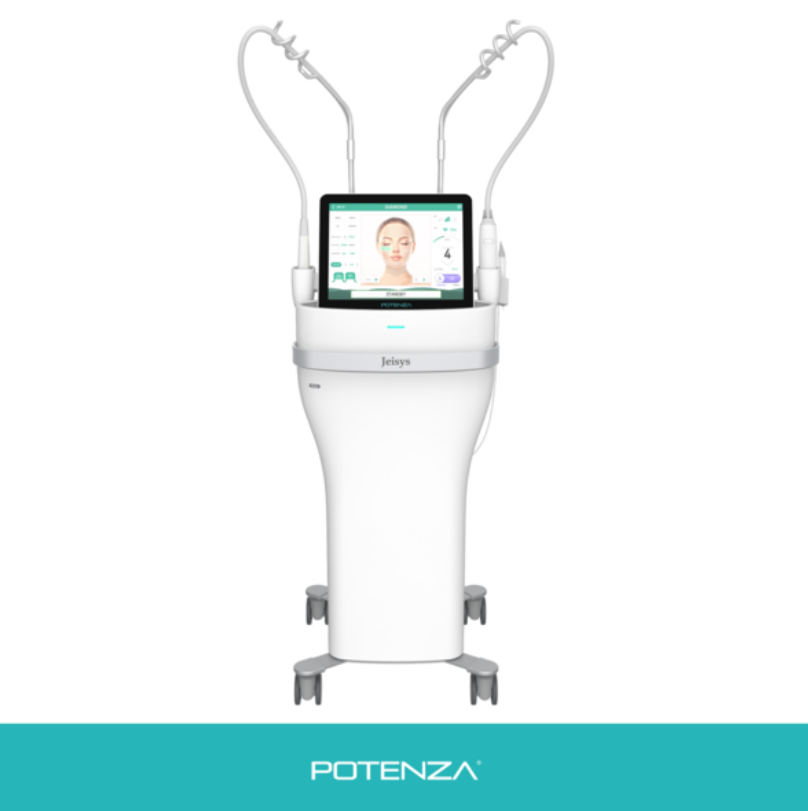
POTENZA describes a radiofrequency device platform with different tips, not one fixed procedure. Before booking in Seoul, ask whether the proposed treatment uses a surface-contact electrode tip or a needle tip, and request its exact name. The brand on the console does not answer that question.
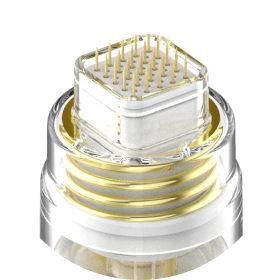
Jeisys’s Korean product page presents a reference table headed “14 Types Of Tips”: three non-invasive types and eleven invasive types. Its mobile layouts also show additional variant names. Read the fourteen-tip scheme as a published reference list, not a complete inventory of every current version or every clinic’s consumables. Ask which exact tip and device version will be used.
Three categories to recognize
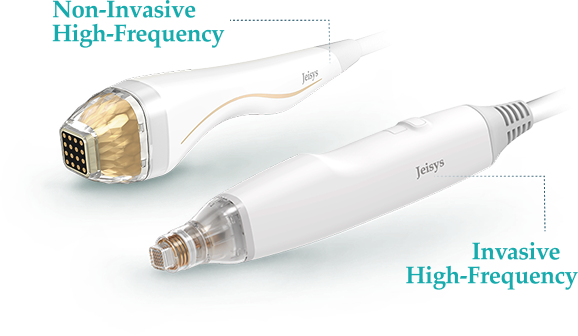
- Non-invasive: DIAMOND, DDR and SFA contact the skin surface; they are not the same as a needle-tip procedure.
- Multi-needle invasive: the published list includes CP-16, CP-25, N-16, N-25, N-49, I-16, I-25 and I-49.
- Single-needle invasive: P1-08, A1-12 and A1-15 are listed separately from the multi-needle group.
The official description distinguishes monopolar and bipolar RF and notes that available settings depend on the tip. The same device name can therefore appear beside materially different procedures. Ask the clinician to explain the proposed route and settings in plain language; a larger number on a tip name is not a ranking of quality or suitability. The reference list groups the eleven invasive types as eight multi-needle and three single-needle tips. Additional names elsewhere on the current page make it especially important to check the package rather than treating a general website table as your individual plan.
Use the recent supply announcement cautiously
An October 16, 2026 manufacturer-supplied announcement says cumulative tip supply passed four million as of August, with more than 5,500 devices sold globally. Supply volume does not tell you the number of satisfied patients, the risk for an individual treatment or whether a particular consumable is genuine. Ask to see the labelled tip and, where applicable, its sealed single-use packaging.
Include risks and product combinations in the consultation
The US FDA’s October 15, 2025 safety communication reports serious complications with certain uses of RF microneedling, including burns, scarring, fat loss and nerve damage. It is a device-category communication, not a finding that a specific POTENZA treatment caused those events, and it does not determine Korean authorization. It is a reason to discuss benefits, alternatives and risks with a trained licensed clinician.
If another product is proposed alongside needling, ask for its full name, intended route and local regulatory status. A topical cosmetic is not automatically suitable for delivery through needle-created channels. Do not infer permission for a combination merely because a menu calls it a skin-booster package.
Before consenting, request the exact tip, proposed treatment area and a record of settings and consumable details, together with written aftercare and an overseas-accessible follow-up contact. The official console archive image and needle-tip product visualization illustrate the platform; they do not recommend a clinic or predict how your skin will respond.