SKINVIVE for Cheeks and Neck Lines: What to Check Before Booking in Seoul
The June 2026 U.S. neck indication and Korean cheek labelling answer different questions. Bring the treatment area, product name and follow-up plan to your consultation.
A SKINVIVE consultation in Seoul should identify the treatment area before discussing a booking. On June 11, 2026, the U.S. FDA approved an expanded indication covering neck lines as well as cheek skin smoothness in adults over 21. The Korean manufacturer page reviewed on November 11 describes a cheek indication. A U.S. approval therefore should not be read as confirmation that the same neck use is locally approved, offered or suitable for a particular visitor.
Read the product and the body area together
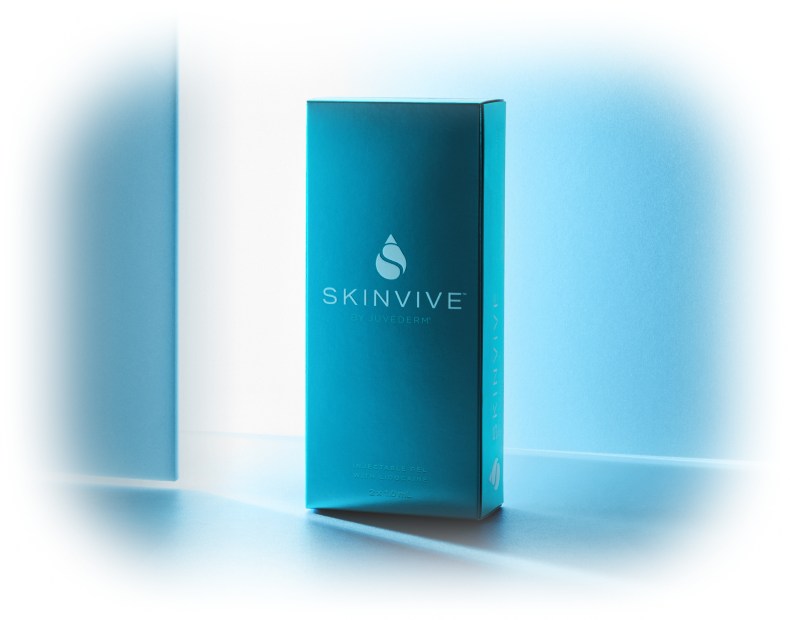
SKINVIVE by JUVÉDERM is an injectable hyaluronic acid gel containing lidocaine. It is different from a topical serum carrying a similar ingredient name. The FDA record describes intradermal injection for cheek smoothness and intradermal and/or subdermal injection to reduce neck lines. Those routes and areas are part of the indication; a menu heading such as skin booster does not communicate the same detail.
The Korean official description identifies the product as a tissue-repair medical device containing 0.3% lidocaine hydrochloride, for temporary improvement of moderate to severe fine lines in adult cheeks. Ask the clinician to show the current Korean product information for the exact proposed use. If neck treatment is being discussed, request an explanation of its local regulatory status, supporting evidence and alternatives before agreeing. This article does not establish a Korean neck indication.
Separate the study schedule from your travel schedule
Allergan announced the U.S. neck approval on June 16, 2026. Its announcement notes that neck-treatment safety and effectiveness had not been studied in patients with darker skin tones. That limitation belongs in the consultation alongside the indication. Ask what evidence is relevant to your skin and whether any uncertainty changes the proposed plan. A product photograph or an FDA logo cannot answer that question.
The FDA-hosted neck patient information describes an optional touch-up around one month after initial treatment. A short stay may end before a review or touch-up is possible. Discuss whether the initial assessment, any treatment and subsequent monitoring can be managed responsibly around your departure. Record who would evaluate a concern after you return home and how that clinician could obtain the product and treatment records.
Discuss side effects and reasons to postpone
The neck patient information lists injection-site reactions including bruising, swelling, tenderness and lumps or bumps; reactions can persist beyond the early recovery period. It also warns about uncommon but serious complications from unintended injection into a blood vessel. Ask for the written warning signs and an urgent-contact route. Changes in vision, stroke-like symptoms, unusual pain or whitening of the skin during or after injection require immediate medical attention.
The Korean product page lists restrictions involving inflamed or infected skin, certain allergies, pregnancy or breastfeeding and other medical circumstances. Tell the clinician about medicines, previous injectables, allergies and any recent skin problem. Do not independently stop a prescribed medicine to make an appointment possible. The aim is to establish whether treatment should proceed, change or be deferred, rather than to fit it into an available slot.
Leave with a usable record
- What is the exact product and the intended treatment area?
- Which Korean indication or other regulatory basis applies to this proposal?
- What follow-up is needed after my departure, and who provides it?
- Which symptoms require urgent assessment, and how do I contact the treating team?
- Can I receive the product details, treatment record and aftercare instructions in a language I understand?
Before paying a deposit, send your arrival and departure dates with the area you want assessed. Request a consultation first and allow the clinician to decide whether an injectable is appropriate. Keep the consent information, product label details and follow-up contacts with your travel documents so that another medical professional can understand what was done if care is needed later.