How to Choose a Lifting Treatment in Seoul: Skin Concerns, Tissue Layers and Age
Start with the change you see, learn what devices can and cannot address, and bring better questions to a Gangnam consultation.
“Lifting” is a broad term on Seoul clinic menus. A blurred jawline, fine creases and flatter cheeks can look like one problem in a photo, yet have different causes. The most useful first question is what the clinician thinks is contributing to the change you see. Ask that before choosing a brand or buying a package.
Start with the concern
For a softer jawline or under-chin fullness, ask whether loose skin, fat distribution or facial structure is contributing. A treatment aimed at laxity does not necessarily address the other factors. For fine lines or rough texture, ask whether the concern is primarily at the surface and whether skin care or a different procedure fits better. For flatter cheeks or deeper hollows, ask whether there is volume loss: tightening and restoring volume are different goals.
Ask which layer the plan is meant to address
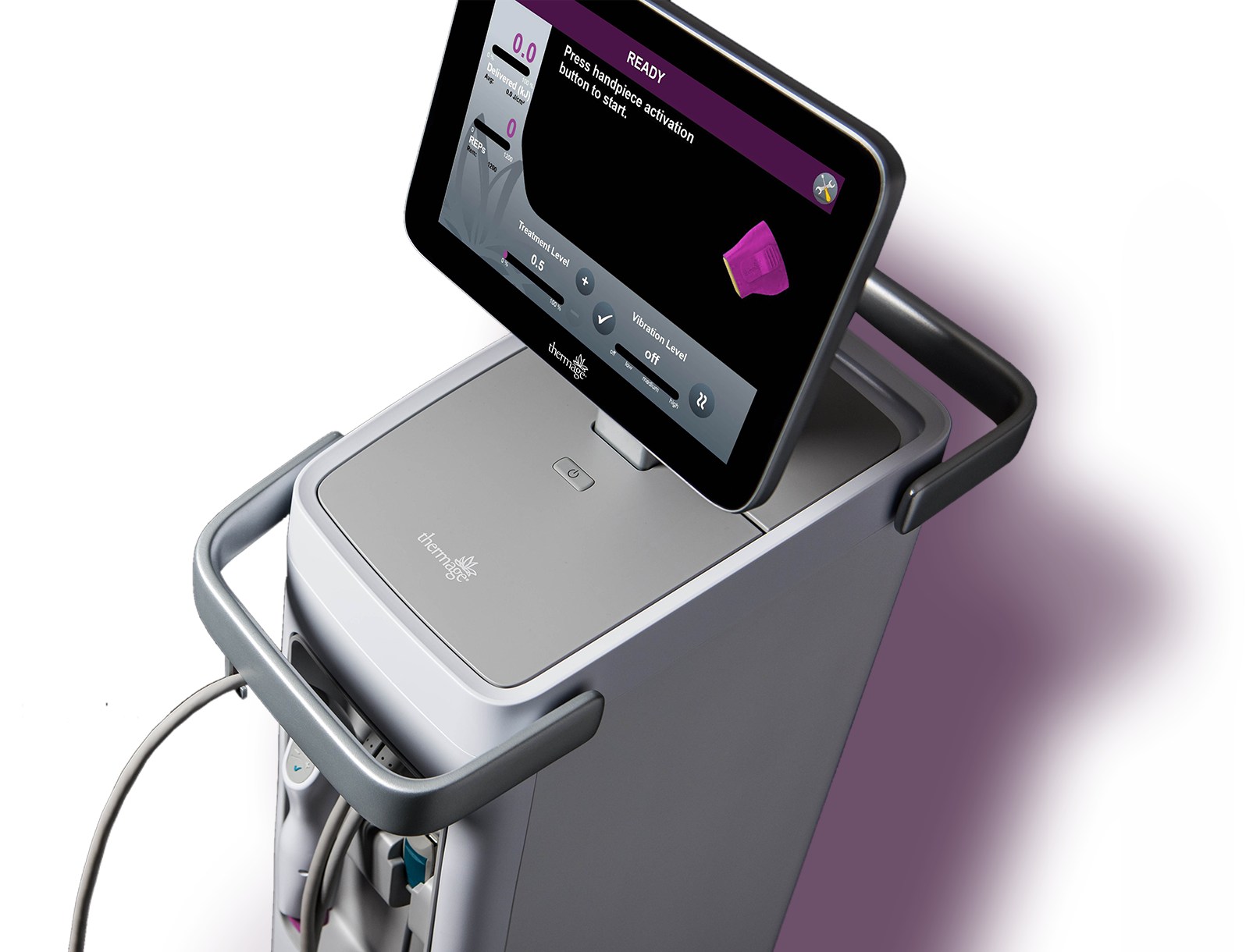
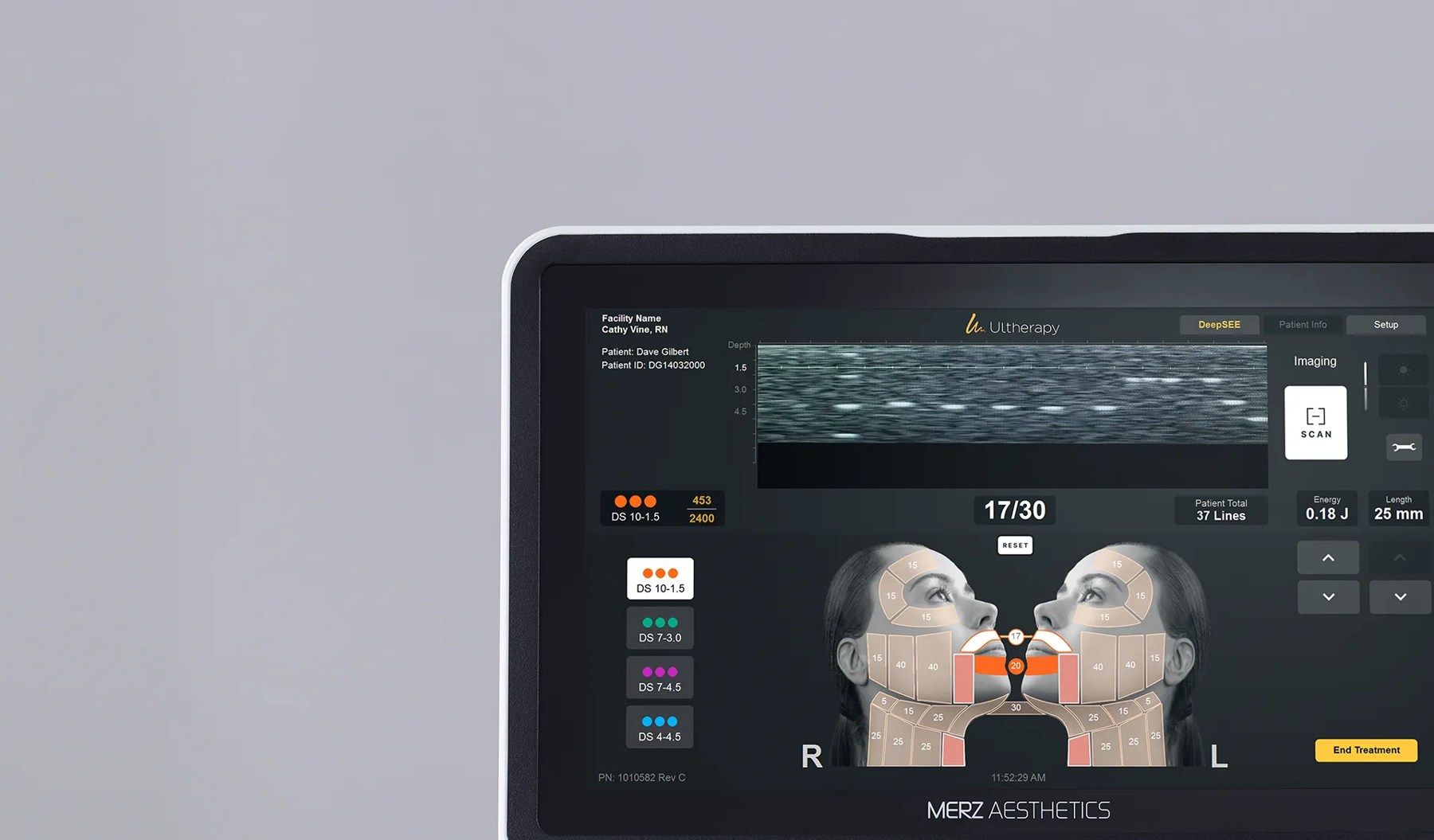
The visible surface, the dermis beneath it and deeper fat and supporting tissues all affect how a face looks. Focused ultrasound systems such as Ultherapy can deliver energy at selected depths; Ultherapy also uses ultrasound imaging to help the clinician visualize tissue. Monopolar radiofrequency systems such as Thermage FLX deliver RF energy through a treatment tip. Neither device name tells you the right target for every face. Ask why the clinician proposes a particular device and area, and what they would avoid. A quoted depth, pulse count or number of lines alone does not tell you whether a treatment is suitable.
Use age as context
In your 20s or 30s, a concern described as “early sagging” may have more to do with texture, fullness or normal facial shape. Ask if treatment is necessary at all. In your 40s or 50s, ask whether laxity and volume change are contributing together and which concern you want to address first. In your 60s and beyond, ask what degree of change a non-surgical option can realistically offer and when another approach, including a surgical consultation or no procedure, may make more sense. These are starting questions, not age-based treatment rules. Skin quality, medical history, previous procedures and your own goals matter at any age.
Make the plan fit your trip
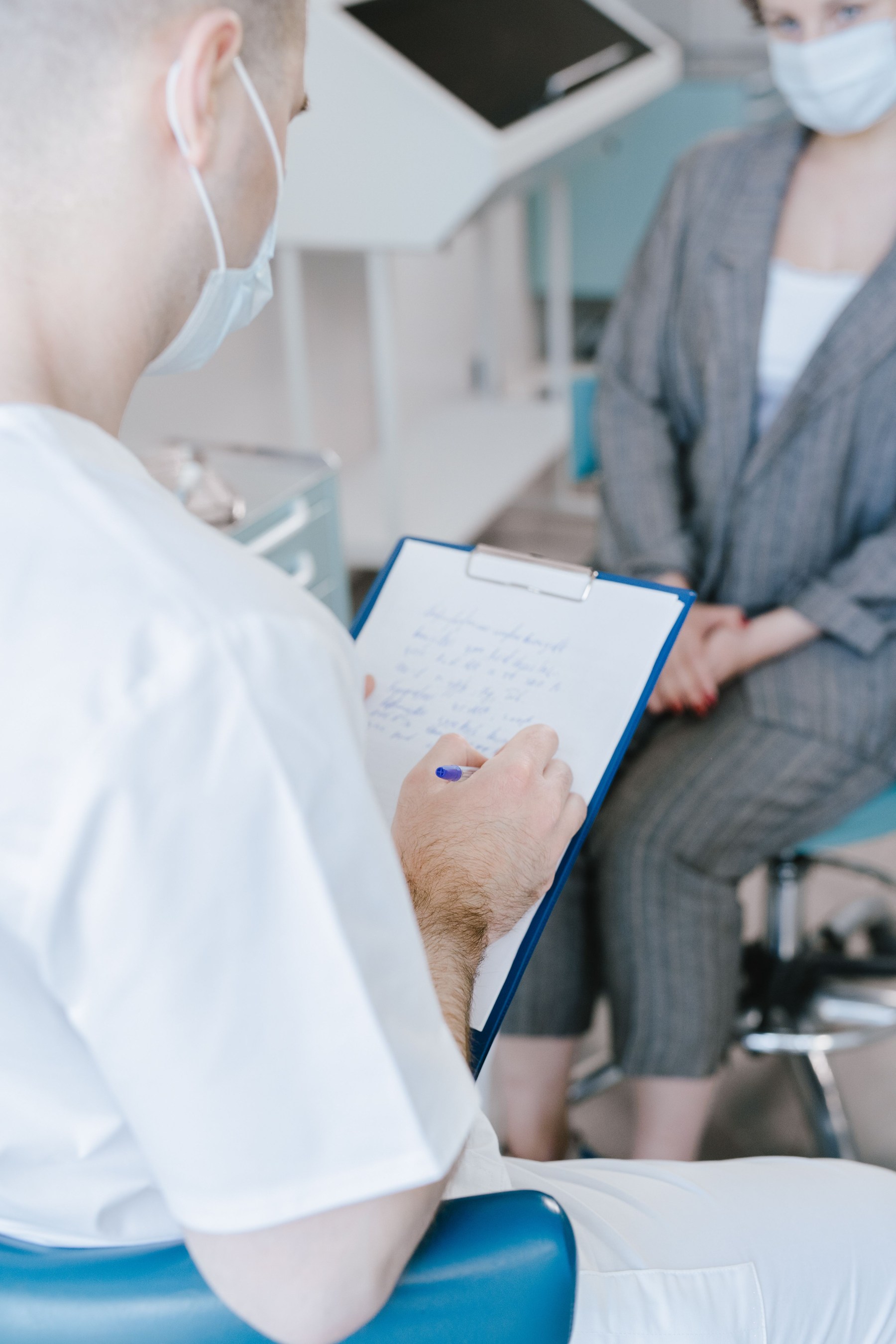
Bring a list of recent procedures, relevant medical history and any implants. Ask about expected changes and limitations, risks, the recovery window, and who can help if you have concerns after flying home. Ask for an itemized quote and written aftercare. The American Academy of Dermatology describes non-surgical tightening results as generally more modest than a surgical lift. Avoid building a trip around a guaranteed result by a particular date.
A consultation option near Gangnam Station
Seolreim Clinic is a commercial partner of The Seoul Skin Guide. If you want an English-language consultation, ask the clinic to confirm language availability and whether you can book a consultation before committing to treatment. Bring one or two concerns you want to discuss and ask the clinician to explain the proposed target, alternatives and follow-up. The partnership does not establish that a device or procedure is suitable for you.
EXPLORE THIS STORY
Partner message
Understand your skin before choosing your next step
Choosing skincare starts with understanding your skin’s needs, sensitivities and the concerns you want to address. A product label or an online routine cannot determine whether cosmetics or a medical assessment are the right next step for you.
If you are unsure where to start, you can enquire about a professional skin consultation at Seolreim Clinic near Gangnam Station in Seoul. A clinician can assess your concerns and discuss skincare and dermatologic procedure options where appropriate, including suitability, risks and costs. A consultation does not mean you need a procedure.