Menopause and Skin in Seoul: Questions to Ask Before an Aesthetic Treatment
Discuss changing skin, medicines, evidence, alternatives and follow-up before considering skin boosters or biostimulators during a short Seoul visit.

A Seoul aesthetic consultation should start with what changed in your skin and health, rather than a predetermined skin-booster package. During perimenopause and menopause, dryness, sensitivity or changes in texture can deserve a medical assessment before a cosmetic treatment is considered. A short visit is a reason to plan follow-up carefully, not to compress several procedures into one appointment.
Galderma's October 13, 2026 release reports that 56% of women in its survey initially attributed menopause-related skin changes to ageing. It also discusses an investigator-initiated trial supported by the company involving Restylane Skinboosters followed by Sculptra. This is a manufacturer announcement with a commercial interest. Survey responses and trial findings do not establish that a particular treatment suits an individual visitor.
Describe symptoms before choosing a procedure
Tell the clinician when the changes began, whether they fluctuate and whether you have itching, irritation, discomfort or a persistent rash. Bring a list of skincare products and medicines, including hormone treatment, supplements and recent changes. A symptom diary can be easier to discuss than a long list of products you have tried.
The American Academy of Dermatology explains that skin may become drier, thinner and more easily irritated around menopause. Its patient guidance supports gentle cleansing, moisturising and daily broad-spectrum SPF 30 or higher, and advises dermatology review for persistent dryness or worsening skin conditions. These basic measures belong in the conversation alongside procedural options.
Do not assume a new or changing skin mark is simply part of ageing. Ask the clinician whether a concern needs a diagnostic examination before an aesthetic discussion. Cosmetic treatment should not delay an assessment of a symptom that worries you.
Ask what the evidence actually applies to
A useful question is: What evidence supports this exact product for my concern, and which patients were studied? Ask whether the explanation refers to a published study, a manufacturer summary or clinical experience. The existence of research does not eliminate uncertainty about outcomes or adverse effects.
Skin booster is a broad menu term, not a single interchangeable product. Request the full product name, ingredient, intended route and proposed treatment area. If a biostimulator is also proposed, ask why it is being considered and how the two products differ. Do not infer local authorization from an international brand webpage or photograph.
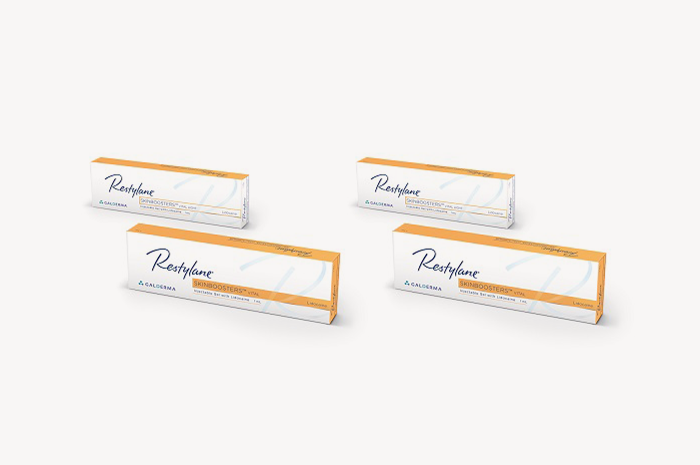
The Restylane product image in this article is an example associated with the source discussion. It is not an endorsement, a comparison winner or confirmation that every product variant and indication is available in Korea. The treating clinician should explain the locally authorized product information relevant to the proposed plan.
Review risks, alternatives and the option to wait
Before an injection, discuss allergies, prior reactions, bleeding conditions, dental work, implants and previous fillers or energy treatments. Bring the medicine list rather than deciding independently to stop a prescribed medicine. The clinician must assess which details affect suitability or timing.
The official Restylane Skinboosters instructions describe injection-related reactions including bruising, redness, swelling, pain and tenderness, as well as less common complications. They warn about vascular compromise and advise discussion of potential risks before treatment. Ask for an explanation you understand and written instructions on symptoms needing urgent medical review.
Ask what would happen if you chose skincare alone, delayed the procedure or pursued treatment closer to home. A consultation should give you enough information to choose among reasonable options. Menopause is not, by itself, a reason to buy an injectable treatment or a fixed series.
Make follow-up work after your Seoul stay
Share your departure date before agreeing to any plan. Ask how many visits are expected, when a review might be necessary and what to do if a concern develops after leaving Korea. Do not mistake an advertised maintenance interval for a guarantee that no earlier review will be required.
- Request the exact product name and written treatment record.
- Keep the clinician's contact method accessible outside Korea.
- Ask which symptoms need urgent assessment and where to seek it.
- Discuss the timing of other procedures and travel activities.
- Choose only after a qualified clinician assesses your skin and medical history.
Bring your symptom notes, medicine list and travel dates to a consultation before selecting a treatment. Request a clear explanation of evidence, uncertainty, alternatives and follow-up, and allow yourself time to decide.