Scar Laser Treatment in Seoul: 10 Questions to Ask Before You Book
Laser treatment can make some scars less noticeable, but it cannot erase a scar. Use these questions to check the diagnosis, provider, treatment plan, downtime and follow-up before booking in Seoul.
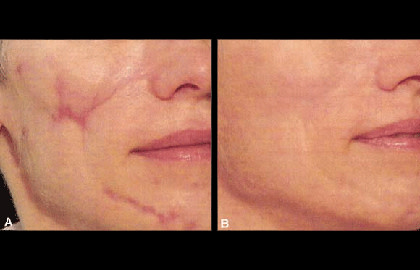
A laser consultation should begin with the type of scar, not a package name. The American Academy of Dermatology explains that laser treatment may make a scar less noticeable, but it cannot remove a scar completely. Results and risks depend on the scar, skin tone, health history, device and the medical expertise of the person treating you.
1. What type of scar do I have?
Ask for a clear diagnosis: raised, depressed, acne-related, surgical, traumatic or another type. Different scars may require different approaches, and some concerns that look like scars may need a different evaluation. Ask why the proposed laser matches your specific scar.
2. Who will assess and perform the treatment?
Confirm the clinician’s name, professional qualifications and experience with the proposed device and with patients who have a similar skin tone. The AAD emphasizes that skill strongly affects both results and safety. Do not accept a treatment plan that skips a medical consultation.
3. What is the realistic goal?
Ask what improvement is reasonable, how it will be measured and what the laser cannot change. Request comparable examples, while remembering that photographs cannot promise your result. Be cautious of claims that a scar will disappear or that one session guarantees a fixed percentage of improvement.
4. Which laser or energy device is proposed, and why?
Get the exact device name and the reason it was selected. Ask whether the plan targets color, thickness, texture, discomfort or movement restriction. A clinic should be able to explain the treatment in plain language without suggesting that stronger settings are automatically better.
5. How many sessions and how far apart?
Ask whether the plan is one session or a series, when progress is normally reviewed and what could change the schedule. If your stay in Korea is short, discuss whether beginning a multi-session plan makes sense and how follow-up will work after you leave.
6. What should I do before treatment?
Tell the clinician about tanning, sun exposure, smoking, cold sores, easy scarring, keloids, medications, supplements and previous procedures. The AAD notes that sun protection matters before and after laser treatment. Do not stop prescribed medicine without guidance from the clinician who manages it.
7. What downtime should I plan for?
Ask how the area may look and feel during the first day, first week and by your flight date. Clarify when you can use makeup, exercise, swim, enter a sauna or restart active skincare. Build in extra time rather than scheduling treatment immediately before a major event.
8. What side effects need urgent help?
Request written guidance for expected redness or swelling and for warning signs such as escalating pain, blistering, drainage, fever, spreading redness or a sudden change in vision. Ask for a contact that works after business hours and while you are outside Korea.
9. What will the full plan cost?
Ask what the quoted price includes: consultation, anesthetic, dressings, prescriptions, follow-up and treatment of complications. A low first-session price does not describe the total cost of a series. Obtain the plan in writing before paying.
10. How will follow-up work after I travel?
Keep the clinic name, clinician’s name, device, treatment date, settings if the clinic provides them, and aftercare instructions. Ask whether remote follow-up is available and who should receive photographs if healing does not follow the expected course.