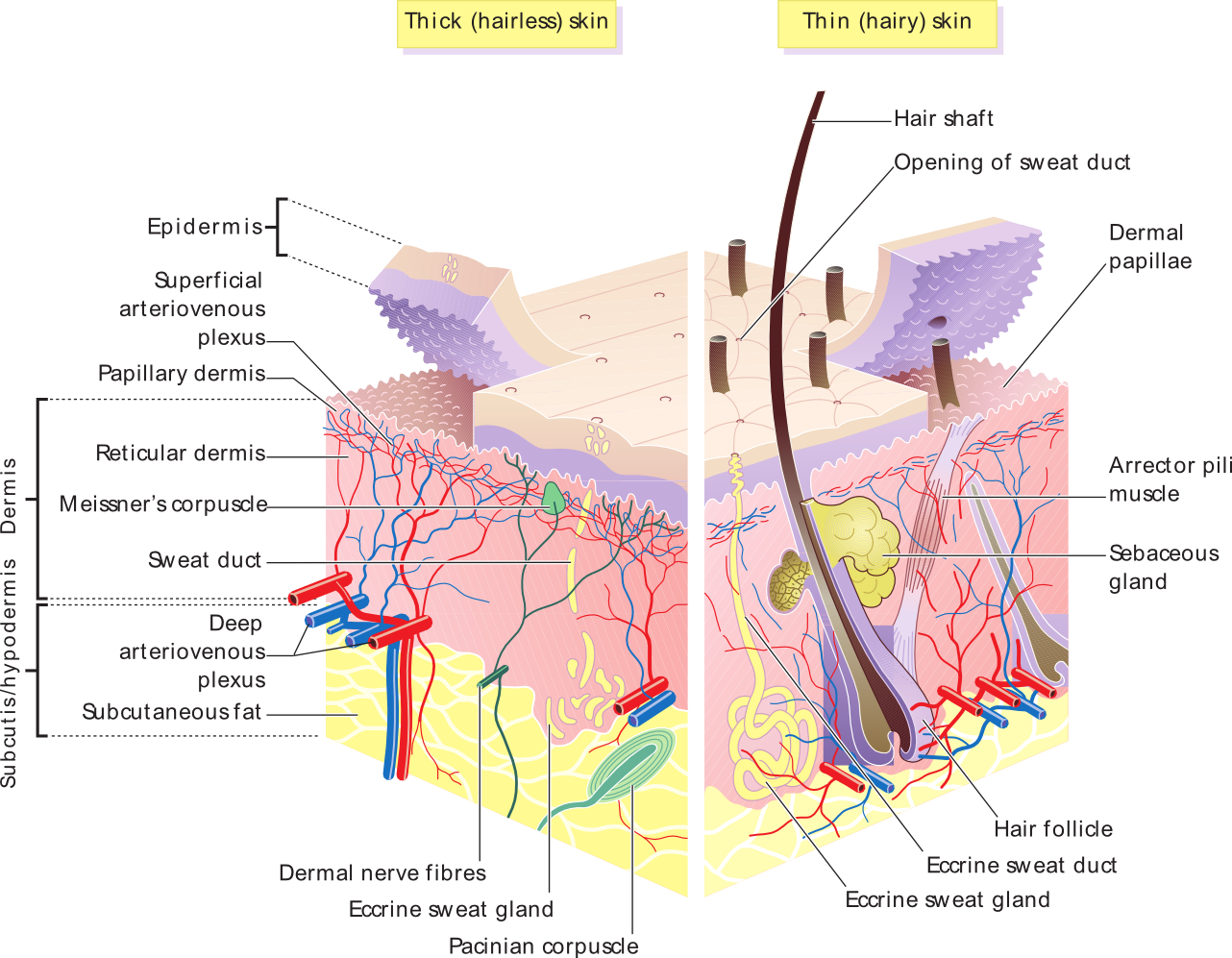
Rejuran Cosmetics vs. Rejuran Injections: What Seoul Shoppers Should Know
The name connects two product categories, but a c-PDRN cosmetic and a PN injectable have different formulations, instructions and routes of use. This follow-up explains how to read the distinction.
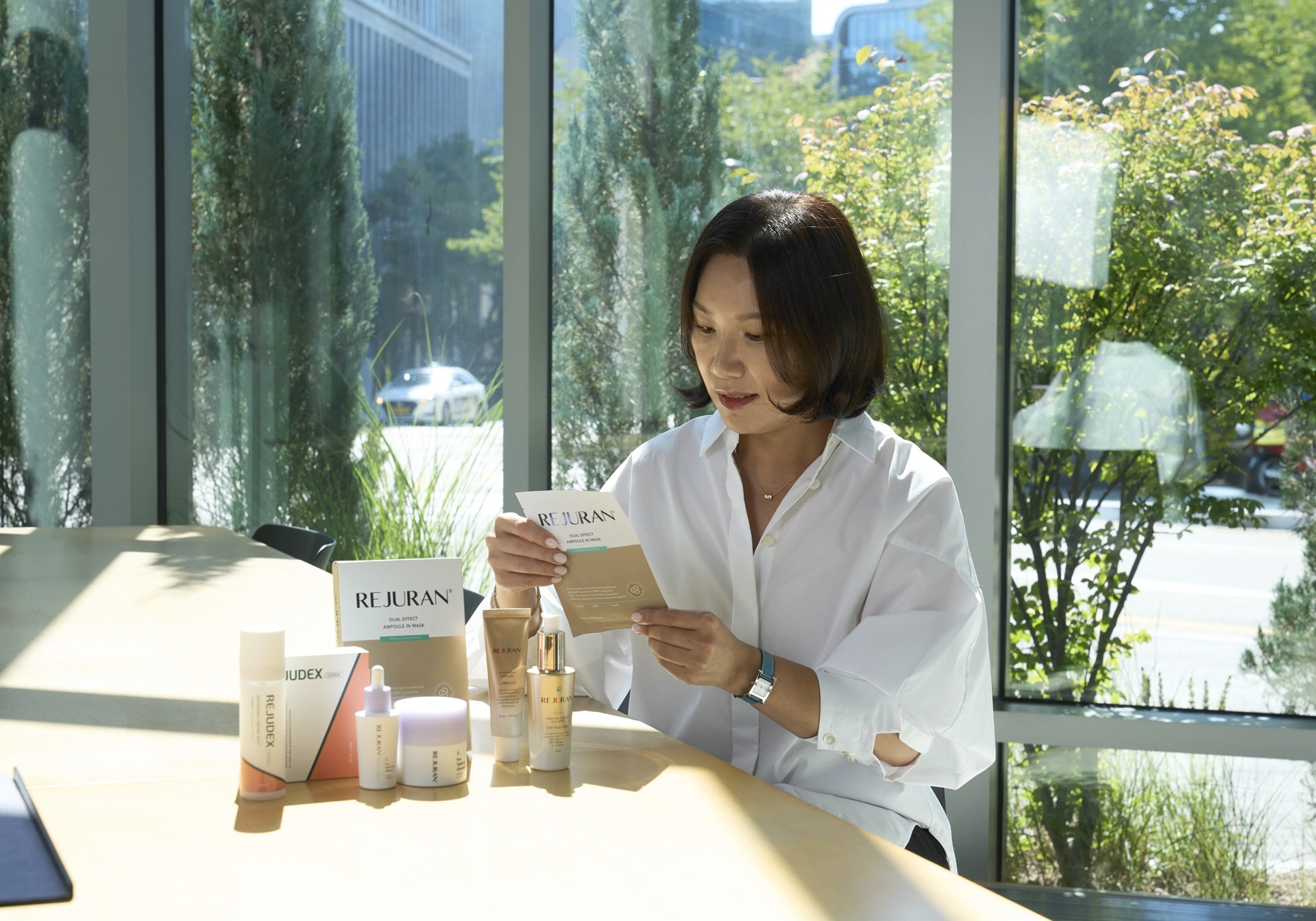
You may see Rejuran on a Seoul clinic menu and again on a bottle in a cosmetics store. The shared brand name makes the connection easy to notice and the difference easy to miss. A topical cosmetic is not a retail version of an injection, and buying one does not reproduce the other.
This is the shopping companion to our guide to the Rejuran injectable family. It focuses on identifying the product in front of you, reading its instructions and separating a brand’s ingredient story from the evidence for a finished formula. The right comparison starts with the category, not the colour of the packaging.
What the official descriptions actually say
In OLIVE YOUNG’s October 14, 2026 brand interview, PharmaResearch describes c-PDRN as an ingredient used in its cosmetics and links it to its salmon-derived DNA technology. The interview also describes the brand’s move from professional settings into everyday skincare. These are the company’s explanations of its technology and positioning.
The manufacturer’s page for original injectable REJURAN separately lists PN, a 2 cc syringe presentation and the intended purpose of temporary improvement of facial wrinkles. That product information is narrower than a promise to regenerate every skin concern. It also does not establish that a topical product carrying the same brand delivers the same result.
PN, PDRN and c-PDRN are not shopping shortcuts
The abbreviations can make shelf comparisons feel more scientific than they really are. They do not tell you the full formulation, the quantity you will apply, the intended route or the evidence for the product you are holding. Do not infer equivalence because two labels both mention DNA-derived ingredients.
Read the complete product name and ingredient list. A serum, cream, mask and physician-administered injectable should not be grouped into one treatment merely because they sit under a common brand. If a salesperson uses the phrase “like the injection,” ask what exact feature is being compared and what evidence supports that comparison.
A cosmetic purchase checklist
- Confirm that the box is a topical cosmetic and read where and how the maker says to use it.
- Compare the full formula, texture and intended role in your routine, rather than one highlighted ingredient.
- Check the package size, batch or expiry information and any instructions after opening.
- Read allergy and irritation information on the actual product; ask a pharmacist or clinician when your history makes the label unclear.
- Keep the outer packaging or photograph the full label so you can identify the formula later.
- Compare the same product and volume when checking prices across shops or websites.
A practical way to avoid overbuying is to decide what job the purchase needs to do in your existing routine. Are you replacing a moisturiser, choosing a texture you prefer or simply trying a product you have seen online? Answering that question gives you something concrete to compare without expecting an ingredient trend to solve every concern.
“Aftercare” does not mean permission to use it after any procedure
If you have just had a laser, injection or another procedure, follow the instructions from the treating clinician. Ask about the exact product and when it may be introduced. A product’s retail placement or association with clinics does not tell you whether it is suitable on freshly treated skin.
Bring a photo of the front and back label to that conversation. “Can I use this exact formula tonight?” is more useful than “Is Rejuran good after treatment?” Your procedure, current skin condition and the other products you use all belong in the discussion.
How to read the brand story without overreading it
A technology name, patent or interview with a brand representative tells you something about the company’s development process. It does not, by itself, demonstrate a particular clinical outcome for every finished product. Look for evidence that identifies the actual formula, comparison, number of participants and measured result before treating a broad claim as a personal expectation.
Likewise, studies about an injected product should not be silently transferred to a cream or mask. Route, formulation and study design matter. If the evidence shown in an advertisement does not identify the product you are buying, the missing link is a reason to ask for clarification.
Keep the clinic decision separate from the shopping decision
A cosmetic can be chosen at a retail counter using its label and your routine as the starting point. An injectable requires an individual medical consultation, a suitable setting and clear product documentation. Never buy an injectable for self-use or attempt to repurpose a cosmetic for injection.
For a visitor, the most useful takeaway is simple: write down the exact product, category and route of use before comparing claims or prices. You can appreciate a brand’s history without treating all of its products as interchangeable. Official information was checked on October 21, 2026; future reformulations should be assessed using their own labels.