ONDA Lifting in Seoul: Coolwaves, Handpieces, Evidence and What to Ask Before Booking
A detailed visitor guide to DEKA’s microwave platform, ONDA versus ONDA PRO, Pocket/Shallow/Deep handpieces, energy-based pricing and realistic follow-up.
“ONDA lifting” is a familiar-sounding menu name, but it does not describe one universal procedure. ONDA is a DEKA device platform using microwave energy under the Coolwaves name. Before booking in Seoul, separate the exact machine, handpiece, proposed treatment area and intended goal. A brand name alone cannot establish suitability or promise a sharper jawline.
What ONDA is: microwave energy, rather than a laser
DEKA describes ONDA as a 2.45 GHz microwave platform with contact cooling. Its global materials discuss body contouring, localized fat, cellulite and skin laxity. Those are manufacturer descriptions, not guarantees that every use has the same evidence or regulatory status. Despite the company’s name, this platform is not delivering a laser beam; ultrasound and other radiofrequency systems also use different technologies and treatment protocols.
Energy type is a useful starting point, but it cannot tell you which procedure is “strongest” or best for you. Ask what concern the clinician has identified: loose skin, localized fullness, or a combination. These are different goals, and a device menu cannot replace an examination. A plan that targets fullness deserves particular discussion when you are concerned about losing facial volume.
ONDA and ONDA PRO: check the actual console
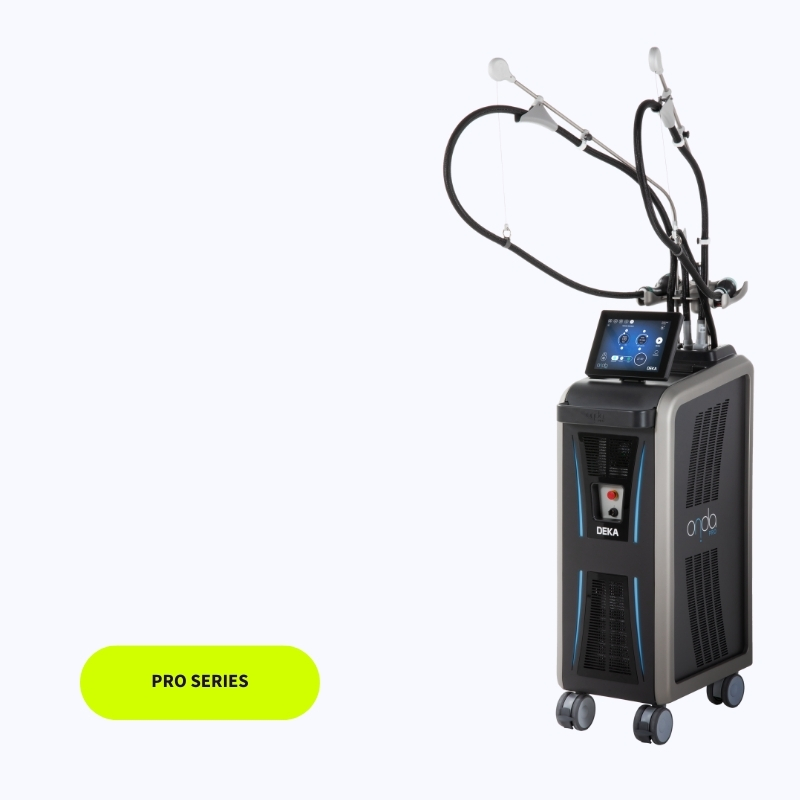
The original ONDA manufacturer page describes Deep and Shallow handpieces. The ONDA PRO page presents Pocket, Shallow and Deep. A booking labelled just “ONDA” therefore leaves room for misunderstanding. Ask for the full model name, the handpiece to be used and the current Korean instructions. Do not infer that a machine is PRO because the advertisement mentions a newer technique.
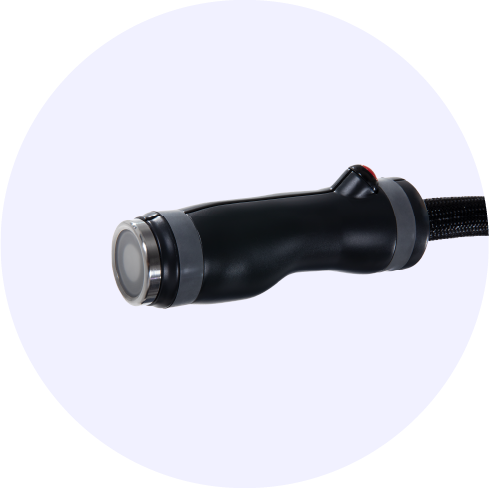
- Pocket: DEKA’s ONDA PRO materials position this handpiece for facial contouring and submental skin laxity. That description is not permission to treat every part of the face.
- Shallow: the manufacturer positions it for more superficial tissue targets and skin-laxity/cellulite applications.
- Deep: the manufacturer positions it toward deeper localized-adiposity targets. It is not interchangeable with Pocket simply because the console is the same.
These are explanations of the manufacturer’s product positioning, not a handpiece recommendation. The appropriate area, local indication, cooling and operating protocol must be established for the exact equipment. International product pages can describe uses that differ from a device’s Korean registration. Request the Korean device label instead of treating an overseas claim as Korean authorization.
What the clinical research actually shows
A study published on January 22, 2025 examined a Pocket microwave handpiece for submental skin laxity in ten women. Participants received two treatments thirty days apart, with assessment twelve weeks after the final treatment. The authors reported improvement in the study’s laxity assessments. This was a small study without a comparison group, so it cannot establish superiority to another device, a guaranteed outcome or the same result across all ages and facial areas.
The distinction between evidence types matters. A December 2024 international advisory-board paper discusses ONDA Coolwaves for cellulite and localized adiposity and offers expert recommendations. It is not a randomized comparison of Seoul “lifting” packages. Body-treatment findings should not automatically be generalized to facial treatment. Taken together, these sources support a more focused consultation, not a promise of a permanent lift or a predictable number of centimetres lost.
Why advertisements use kJ instead of shots
A kilojoule is a unit of energy: 1 kJ equals 1,000 joules. It is not a count of injections or a standardized “shot.” Power, treatment time, area, handpiece and delivery technique all affect what an energy total means. A larger advertised kJ figure is therefore not enough to establish a more effective or safer appointment.
Ask whether the quote covers one area or several, which handpiece is included, and whether the figure is a planned maximum or a treatment record. Request an itemized total including consultation and any taxes or extras. Do not choose a dose yourself from a social-media chart. The clinician should explain why a plan fits the assessed area and how it will be adjusted or stopped if needed.
Pain, cooling and the limits of “no downtime”
Contact cooling is a device feature, not proof that discomfort or injury cannot occur. The ONDA advisory paper discusses adverse events and precautions, including thermal injury risks. Ask the clinician to describe risks specific to the proposed handpiece and area, their monitoring process and what symptoms require review. Do not accept “non-invasive” as a synonym for risk-free.
The FDA’s general body-contouring guidance lists possible problems such as pain, redness, swelling, bruising and nodules; heat-based technologies can also cause burns. It stresses that body contouring is not a treatment for obesity or a substitute for weight loss. This is category-level safety guidance, not an ONDA-specific clearance or a complete risk list for facial treatment.
Discuss implanted electronic devices or metal in the proposed area, pregnancy or breastfeeding, altered sensation, active skin problems, medical conditions, medicines and prior procedures. The treating professional must check the device instructions and assess which precautions apply. Do not stop a prescribed medicine or assume that a recent filler, thread or other energy procedure is compatible without a review.
Planning treatment around a Seoul trip
Build a follow-up plan before paying. Ask when the clinician expects to reassess the result and how any further sessions would be decided. The schedule in a small published study is not a standard prescription for every visitor. An appointment immediately before departure can make in-person review difficult, so agree who can examine you if a concern appears after the session.
- Before treatment: confirm the console model, handpiece, precise area, goal and Korean intended use.
- Before consent: discuss alternatives, expected sensations, risks, operator training and a realistic review timeline.
- Before payment: obtain the complete written quote and cancellation terms; avoid comparing energy totals in isolation.
- Before leaving: request a treatment record, written aftercare and an overseas-accessible contact route.
The photographs show the manufacturer’s ONDA PRO console and a separate Pocket handpiece. They identify real equipment and do not demonstrate an outcome. This guide does not endorse a clinic or rank ONDA against Ultherapy, Thermage or other systems; a useful consultation should connect an individual concern to a documented, locally appropriate plan.