Exosome Treatments in Seoul: What to Ask Before an Injection or Add-On
A treatment-menu name is not enough to identify a product. Ask about the exact formulation, route, Korean regulatory status and follow-up before agreeing to an exosome-labelled service.
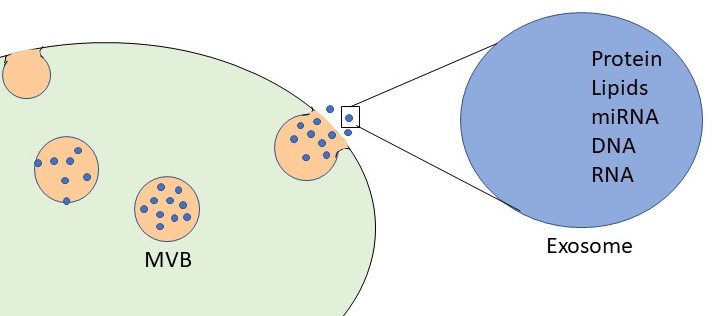
An exosome-labelled option on a Seoul treatment menu may sound like a single, recognisable procedure. The label alone does not tell you what is in the container, how it will be used or whether that use has been authorised. Before comparing prices or adding it to a package, ask for the exact product and the proposed route.
This guide is a set of consultation questions for international visitors. It does not identify a recommended exosome product, establish a Korean approval list or conclude that every service using the word has the same evidence or risk. The educational diagram accompanying this article is not a product image or a treatment result.
Start with the box and the route
Ask to see the full product name, manufacturer and original label. Then ask the clinician to describe what will happen: application to intact skin, use alongside a procedure that disrupts the skin, or injection. Do not let the general term “skin booster” substitute for an explanation of the actual procedure.
The question is especially useful when an add-on is described only as an ampoule. That word describes a container, not authorisation for a route of administration. Ask whether the manufacturer’s instructions support the proposed use and request the relevant documentation in a language you can understand.
- What is the exact product and who manufactures it?
- What ingredients or biological source does its label identify?
- Will it be applied, introduced through a procedure, or injected?
- What Korean registration or approval applies to this exact product and proposed use?
- Who will perform the procedure and who is responsible for medical follow-up?
- Can I keep a record of the product, batch, amount and date?
What the FDA warnings do—and do not—establish
The FDA’s December 6, 2019 safety notification reports serious adverse events involving unapproved products marketed as containing exosomes. Its July 22, 2020 consumer alert also warns about misleading regenerative-medicine claims. Both pages state that there were no FDA-approved exosome products in the regulatory context they describe.
Those are dated U.S. regulatory statements. They are not evidence of approval or non-approval for a particular Korean product in October 2026, and the FDA explicitly says it does not oversee treatments performed in other countries. Korean status must be checked against the exact product, route and intended use with the relevant Korean authority. A U.S. warning should not be rewritten as a blanket Korean legal claim.
Ask for evidence for the service being offered
If you are shown research, ask which product and route the study used. A laboratory image, a study of a different formulation or an explanation of how cells communicate does not establish the result of the service on your quotation. Ask what outcome was measured, how it was compared and how long participants were followed.
A clinician should also explain the limits of the evidence and the alternatives, including declining the add-on. Promises of universal regeneration or a guaranteed transformation are not a substitute for that conversation. Avoid making a decision because a package discount is about to expire.
Use the consultation to discuss your own circumstances
The American Academy of Dermatology advises discussing goals, medical history, risks, realistic expectations, recovery and costs before cosmetic procedures. For an overseas visit, add a few practical questions: when you can travel, who can assess a problem after you leave, and whether the follow-up contact can communicate with you.
Tell the clinician about your current medicines, allergies, recent procedures and relevant health history. Do not stop prescribed medicine because of a promotional message. Ask for individual instructions from a qualified medical professional, with interpretation if you need it.
Get a written follow-up plan before treatment
Ask what reactions are expected for the proposed procedure, which symptoms need urgent attention and where to seek care if the clinic is closed. Keep the clinic’s medical contact, procedure record and product details together. A chat account used for reservations is not automatically a reliable emergency pathway.
If concerning symptoms occur, seek appropriate medical care rather than waiting for a sales representative to reply. Explain what was administered and provide the documentation. Written records are particularly useful if another clinician needs to assess you after you return home.
A short holiday is not a reason to skip the answers
Allow enough time to read consent information and ask questions without a same-day deadline. If the exact product, route or regulatory explanation remains unclear, postpone the decision. You do not need to accept every component of a treatment package to have a useful consultation.
For Seoul visitors, the strongest starting point is documentation: a named product, a clearly described procedure, an individual consultation and an accessible follow-up plan. Sources were checked on October 21, 2026. This article does not verify any specific Korean exosome product as approved or appropriate for injection.