Getting Dermal Fillers in Seoul: Safety Questions, Downtime, and Red Flags
Dermal filler injection is a medical procedure. Before booking in Seoul, confirm the provider, exact product, injection site, follow-up plan and symptoms that require urgent medical care.
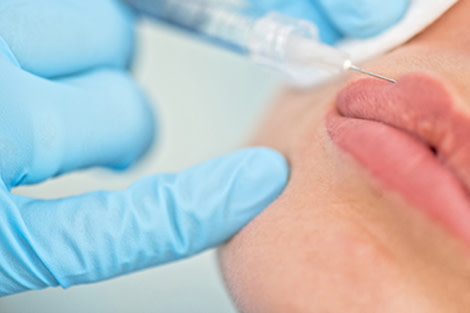
Dermal fillers are injectable medical devices, and the most important decision is who performs the procedure. The U.S. Food and Drug Administration advises patients to choose a licensed healthcare provider with appropriate training and experience. FDA approvals apply to the United States, so visitors should also ask how the exact product and use are authorized in Korea.
Confirm the person and the setting
Ask who will examine you, who will inject and what medical qualifications each person holds. Confirm that the procedure takes place in a medical setting with sterile supplies and a plan for complications. A consultation should allow time to decline or postpone treatment.
Ask for the exact product
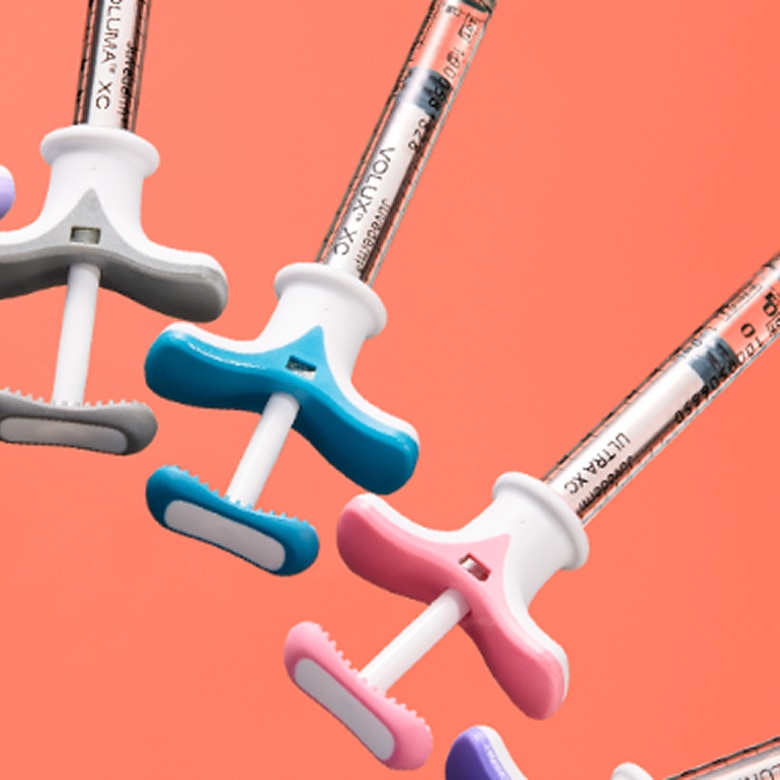
Get the brand, product name, material, manufacturer and lot information. Ask whether the product is temporary or permanent, how long effects commonly last and whether removal is possible. Do not buy filler online, inject yourself or accept a needle-free device; the FDA specifically warns against needle-free filler injection.
Discuss the proposed injection site
Ask why the filler is suitable for the exact area and what alternatives exist. Risk differs by anatomy and technique. U.S. approval does not automatically describe Korean authorization, and an approved product may not be approved for every location or purpose.
Share your complete history
Tell the clinician about allergies, bleeding problems, cold sores, autoimmune conditions, pregnancy, dental work, infections, previous fillers, implants, surgery and other cosmetic procedures. Bring a list of medicines, supplements and recent treatments. Do not stop medication without medical advice.
Plan downtime around travel
Swelling, redness, pain, tenderness, itching, rash and bruising can occur after injection. Ask what is expected for the product and area, when you may exercise, drink alcohol, fly, use a sauna or receive dental care, and whether you need an in-person review before leaving Seoul.
Know the rare emergency signs
Accidental injection into a blood vessel is uncommon but can cause tissue damage, vision problems including blindness, or stroke. Ask the clinic to explain its emergency protocol. Sudden severe pain, whitening or mottling of skin, cool skin, visual change, weakness, speech difficulty or severe headache require urgent medical assessment.
Check the aftercare and contact plan
Obtain instructions in a language you understand, the clinic’s after-hours number and the name of the clinician responsible for follow-up. Ask who will help if symptoms begin after you return home. Keep photographs of the product label and your treatment record.
Red flags before you pay
- No medical consultation before injection.
- The injector’s identity or qualifications are unclear.
- The clinic will not name the exact product or show sealed packaging.
- A needle-free device or self-injection product is offered.
- The seller guarantees a result or dismisses serious risks.
- There is no written aftercare or emergency contact.
A low price, influencer post or same-day discount should not replace informed consent. Compare plans by provider, product, area, follow-up and emergency readiness—not by syringe price alone.