Dermal Fillers in Seoul: Keep the Product Record and Plan Follow-Up Before You Fly
Ask what will be injected, how the proposed use is regulated in Korea and where to seek help after departure. Filler removal is not a universal reset.
A filler consultation in Seoul should leave you with the exact product identity and a plan that still works after you fly home. Keep those questions beside your travel dates. They are more useful than comparing treatments through a translated package name alone.
Use this guide to prepare a discussion with a qualified clinician. It does not recommend a brand, injection area or clinic, or establish that a procedure is appropriate for you.
Ask what the word filler means in your appointment
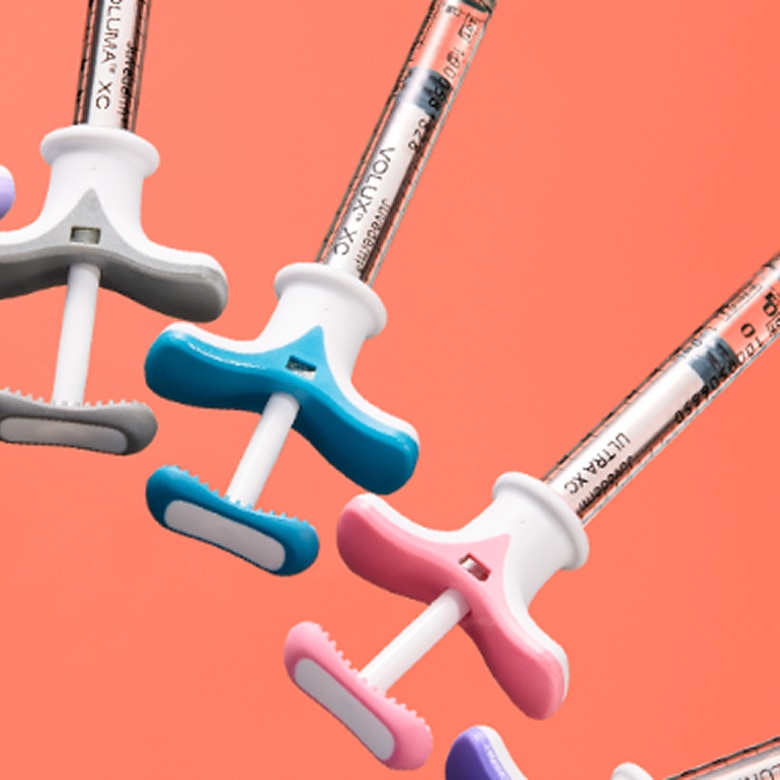
The U.S. FDA describes dermal fillers as gel-like materials injected under the skin and distinguishes them from botulinum toxin products. Materials differ. Its consumer guide discusses hyaluronic acid, calcium hydroxylapatite, poly-L-lactic acid and a non-absorbed PMMA product in the U.S. regulatory context.
Ask for the full product name, manufacturer, material and proposed area of use in writing. If a menu uses a nickname, request the name on the original packaging. Do the same for any separate injectable included in a package.
FDA authorization concerns specific products and uses in the United States. In Korea, ask how the exact product and proposed use relate to MFDS authorization. Save the Korean name so that a clinician at home can identify it later.
Prepare a history, not only a reference photograph
AAD’s preparation guidance advises discussing medical conditions, allergies, bleeding disorders, cold sores, previous cosmetic treatments, medicines and supplements. Make a list before the appointment. Include earlier fillers or implants, even if they were placed elsewhere or several years ago.
Ask whether any allergy assessment is needed, what alternatives exist and what happens if you postpone treatment. Do not independently stop prescribed medicine to fit an appointment. A consultation needs enough time to discuss your health as well as the appearance you want.
If you need language assistance, ask the clinician to explain the medical decisions through the interpreter. Request written instructions in a language you understand and retain the original product names alongside them.
Request a record you can use overseas
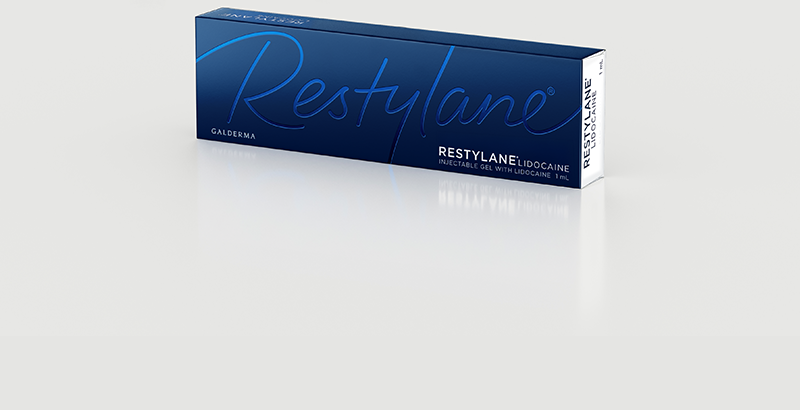
Ask the clinic to record the product, lot or batch, amount used, treatment date, treated area and clinician’s name. Keep consent information, the receipt and the aftercare instructions in the same folder. A picture of a box is helpful only when it can be connected to the actual treatment record.
Write down how to contact the medical team, their opening hours and what to do when the clinic is closed. Ask whether a review can take place before departure and what can realistically be assessed remotely afterwards.
- What exact material and product will be used?
- What Korean authorization applies to the proposed use?
- What personal risks and alternatives should I understand?
- Which details will appear in my treatment record?
- Who will examine an unexpected problem during or after the trip?
Discuss recovery and removal as separate questions
AAD’s FAQ explains that the procedure and recovery vary with the filler, treated area and medical history. Ask for instructions specific to your appointment about makeup, exercise, sun exposure and touching or massaging the area. Do not copy an aftercare routine from another product.
Ask what correction or removal would involve for the proposed material. Do not treat dissolvable as a guarantee that every filler or complication can be reversed. Ask who would assess a problem, what treatment might be considered and what services are included in the original arrangements.
Know which problems need immediate care
The FDA identifies accidental injection into a blood vessel as a serious risk that can cause tissue damage, vision loss or stroke. If you develop unusual severe pain, vision changes, concerning skin discoloration or stroke-like symptoms, seek immediate medical care. Do not wait for a social-media reply or your return flight.
Bring your itinerary to the consultation and ask how much in-person follow-up may be needed. This article does not prescribe a universal waiting period before flying. Before leaving Seoul, make sure your product record and medical contact route are accessible offline. Sources were reviewed on October 24, 2026.