Ultrasound, RF, IPL or Laser? How to Decode a Seoul Clinic Menu
Identify the energy, device and proposed procedure before comparing prices. A visitor’s guide to clearer consultation questions and travel planning.
A Seoul clinic menu can place ultrasound, radiofrequency, IPL and several kinds of laser under one attractive heading. The names may appear beside shot counts, package prices and words such as lifting or toning. Before comparing the numbers, establish what each proposed service actually involves.
A useful consultation begins with a concern you want assessed and a clear explanation from the clinician. A menu is a list of services for sale. It does not, on its own, establish which procedure is appropriate for your skin, how the device will be used or what follow-up you will need after returning home.
Four terms to separate
Ultrasound uses sound energy. Radiofrequency, usually shortened to RF, uses electromagnetic energy to produce tissue heating. Both names describe broad categories rather than one standardized procedure. The American Academy of Dermatology discusses ultrasound and non-invasive RF among skin-tightening approaches, while also distinguishing RF methods that enter the skin.
IPL means intense pulsed light. It is a light-based category separate from laser. A laser uses a particular wavelength or set of wavelengths, whereas IPL uses a broader filtered light output. Within each category, the exact device and its application matter more than a general menu heading.
The AAD’s treatment overview lists IPL, laser resurfacing, ultrasound and non-invasive RF as distinct options in different contexts. That does not make them interchangeable. Ask the clinician to explain the proposed target, the intended use of the specific device and why that option was suggested following your assessment.
RF and RF microneedling need different explanations
A surface RF handpiece and a device that delivers RF through microneedles do not describe the same physical procedure. Establish whether anything penetrates the skin, what disposable components are used and who performs each part. A familiar acronym should not substitute for that explanation.
On October 15, 2025, the U.S. FDA reported serious complications associated with certain uses of RF microneedling, including burns, scarring, fat loss and nerve damage. This dated communication concerns that device category and particular uses. It should not be rewritten as a conclusion about every RF treatment or a specific Korean clinic.
Use the warning to make the consultation more concrete: ask how the clinician evaluates your suitability, what complications are relevant to the proposed procedure, and how they are managed. Korean authorization must be checked for the exact device and intended use through Korean regulatory information, rather than inferred from a U.S. statement.
Ask what the menu leaves out
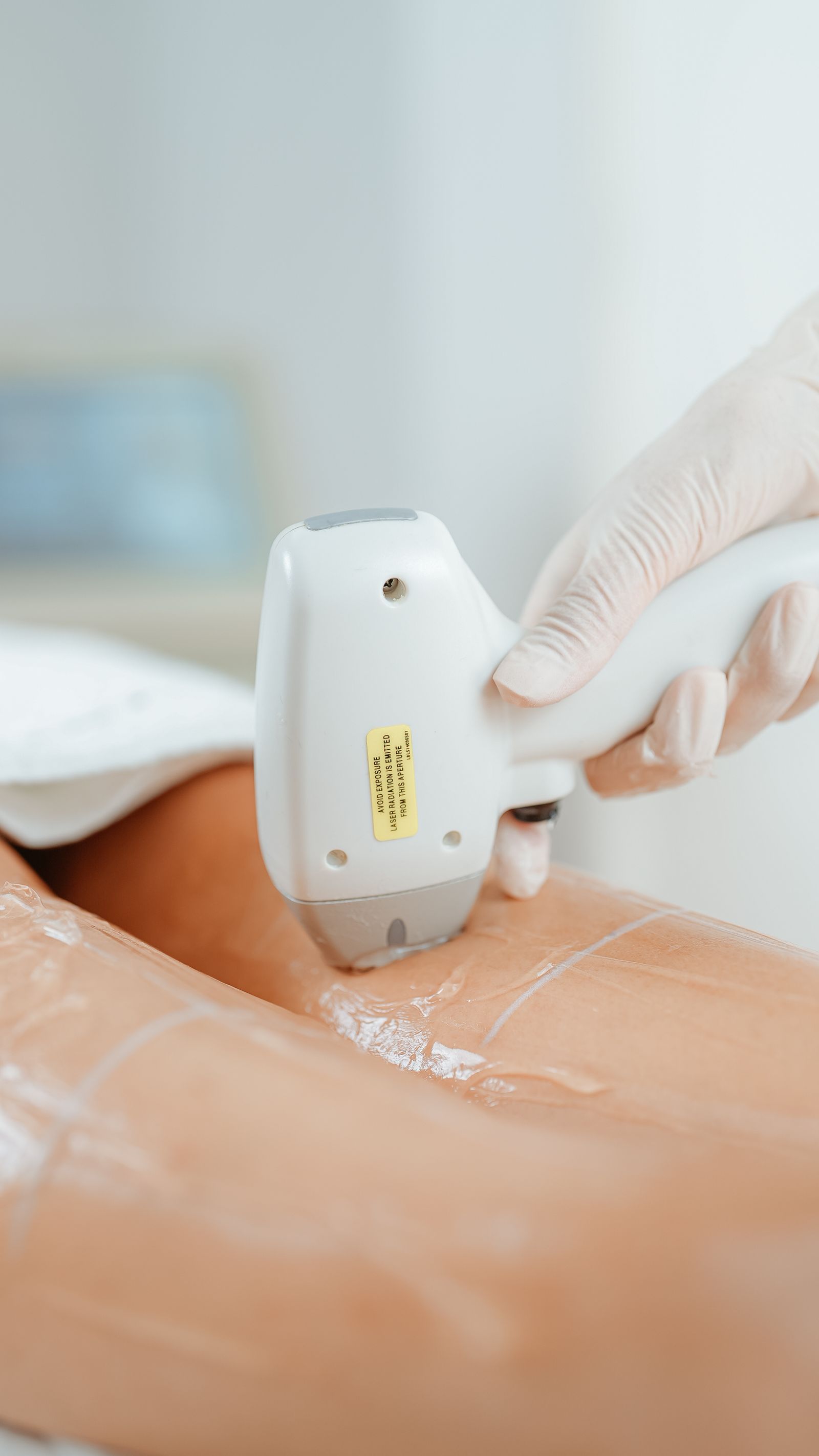
For a laser or IPL service, ask for the device and handpiece, the purpose of treatment and the expected effect on the skin surface. For ultrasound or RF, ask what the proposed procedure involves physically and how the clinician chooses the treatment area. You do not need to choose technical settings yourself.
A shot count or treatment time cannot tell the whole story. Compare written quotations only after you understand the device, area, service and follow-up included. If two quotations differ, request those details in the same format before deciding that one offers more value.
Questions to bring to the consultation
- What concern have you identified, and what are the alternatives, including waiting?
- What is the exact device and proposed use, and what Korean authorization applies?
- Will the procedure enter or disrupt the skin, and what disposable parts are involved?
- Who will assess me, perform the procedure and provide medical follow-up?
- What restrictions, visible changes or complications should I plan for?
- How will I contact a clinician after hours or after leaving Korea?
These are editorial prompts to make a travel consultation easier to document. They complement the AAD’s broader advice to discuss goals, recovery, costs and risks. They are not instructions for operating a device or selecting a treatment without examination.
Put your itinerary on the table
Show the clinician your departure date and any planned outdoor activities, swimming, heat exposure or major events. Ask for individualized instructions on makeup, cleansing, exercise and sun protection. Avoid translating the phrase no downtime into permission for every activity on the same day.
There is no universal flight interval or recovery timetable that this guide can assign across all devices and patients. Request a plan that fits the actual procedure and includes what to do if recovery does not follow expectations. Leave room for a review visit if the clinician recommends one.
Keep a clear treatment record
If you proceed, request the treatment date, device name, treated area and written aftercare, plus the contact route for medical questions. Keep these with the consent form and receipt. A short record is particularly valuable when a clinician at home needs to understand what was done.
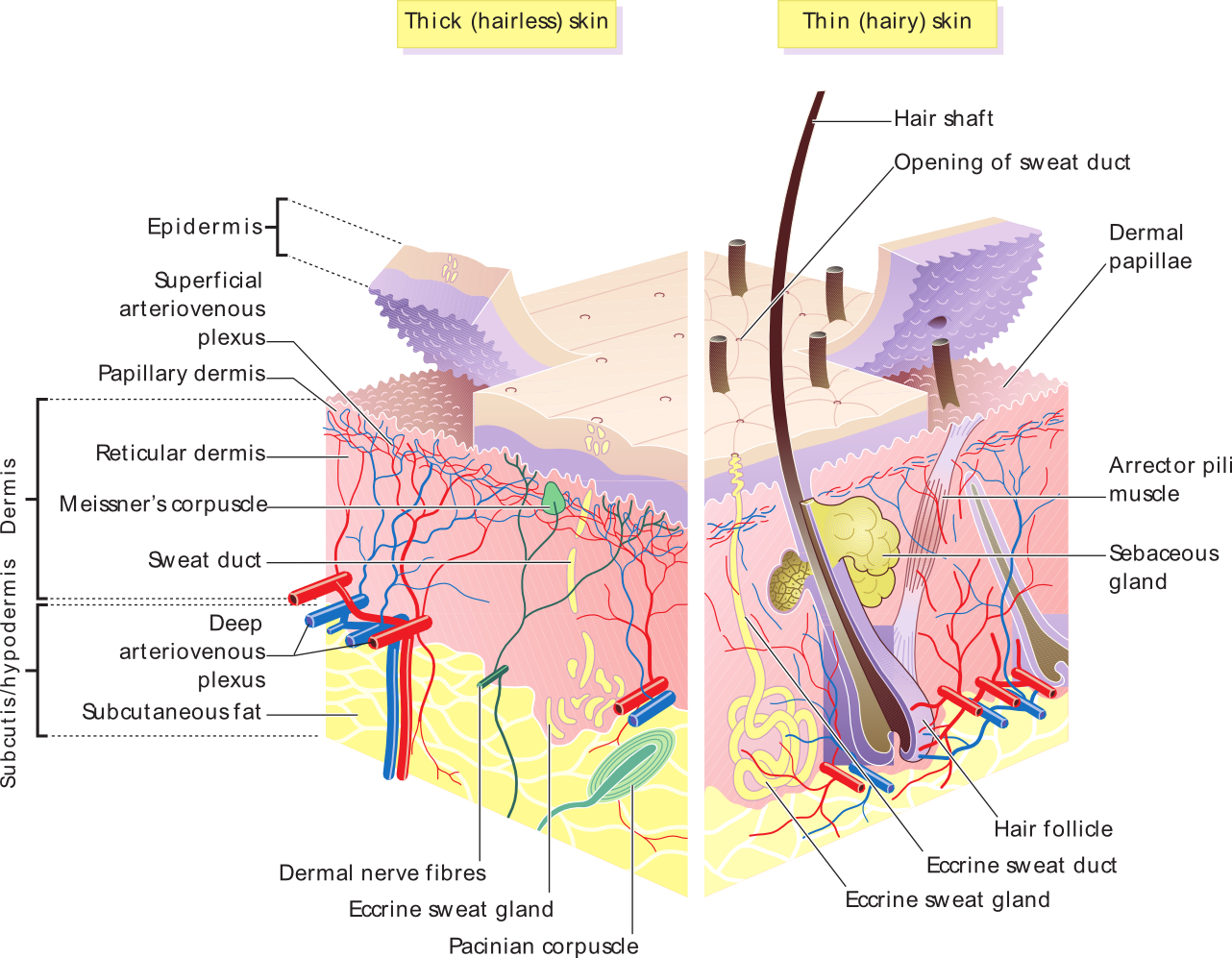
The licensed skin illustration here is general anatomy. It is not a map of treatment depths, a device setting guide or a before-and-after result. Sources were checked on October 22, 2026; review the medical and regulatory information by April 2027, and verify product-specific status when booking.