PRP “Vampire Facials” in Korea: What to Ask About the Method and Safety
PRP describes a blood-derived preparation, not one uniform facial. Understand the proposed method, evidence and blood-handling safeguards before a consultation in Korea.
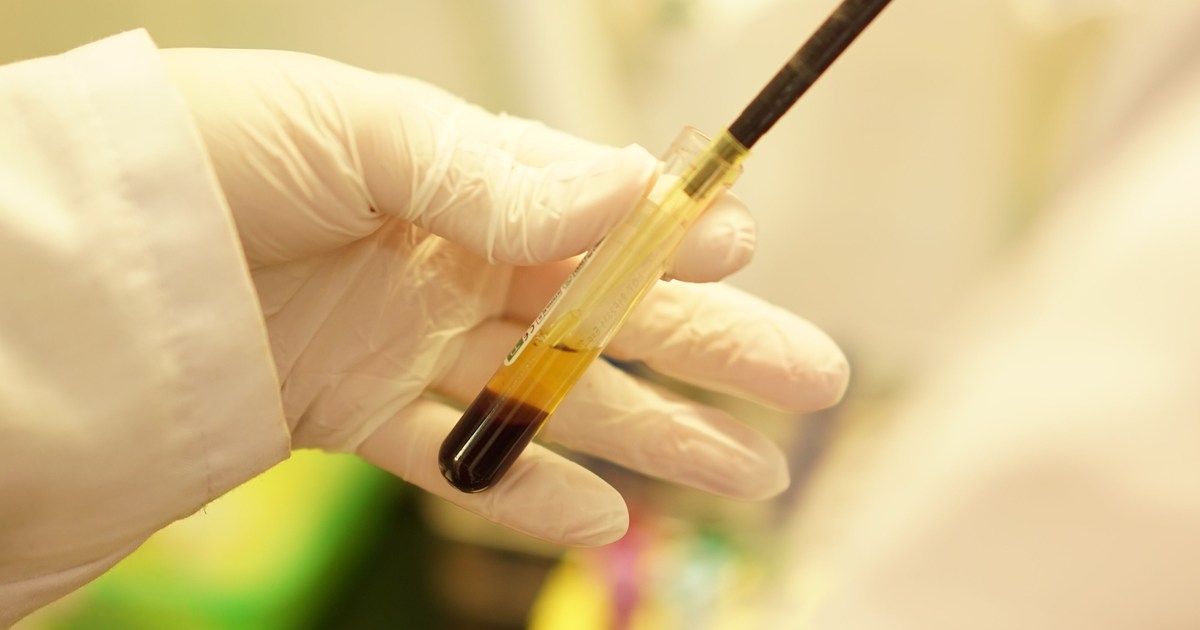
The name “vampire facial” is memorable, but it does not specify a single treatment. The American Academy of Dermatology describes platelet-rich plasma, or PRP, as a preparation made by drawing a person’s blood, separating its components and using the platelet-rich portion in a procedure. A useful consultation starts with the actual method rather than the nickname.
Ask whether the proposal involves injections, microneedling or a combination
The AAD explains that facial PRP treatments may involve injections or microneedling, sometimes alongside another procedure. Ask the clinician to identify every step and any additional product. A quotation headed only “PRP facial” leaves important details unresolved.
Separate interest from established outcomes
The AAD’s patient guidance highlights uncertainties about cosmetic PRP, including who benefits, how many sessions are needed and how results vary. Its page is not a promise that one visit will reproduce a photograph. Ask what evidence supports the exact method being proposed and what improvement would be realistic for your concern.
The FDA’s microneedling information also says that it has not authorised microneedling devices to deliver cosmetics, drugs, vitamin solutions or blood products such as PRP into skin. That describes the scope of US device review; it does not by itself determine the legal status of a Korean procedure. Ask the Korean provider about the exact device, intended use and local regulatory status.
Blood handling is part of the procedure, not a minor detail
The AAD emphasises sterile handling and making sure a patient receives their own blood preparation. In April 2024, the CDC reported an investigation suggesting HIV transmission associated with PRP microneedling services at an unlicensed New Mexico spa. That was a specific US investigation, not evidence about a Korean clinic or an estimate of the risk at every PRP appointment. It illustrates why infection-control questions matter.
- Ask how your sample is labelled and tracked from collection through processing and use.
- Ask which equipment is single-use and how reusable equipment is sterilised.
- Ask who performs the blood collection and procedure, and how the clinic records the treatment.
- Disclose your medical history, medicines and previous reactions so the clinician can assess suitability.
Plan the follow-up before the appointment
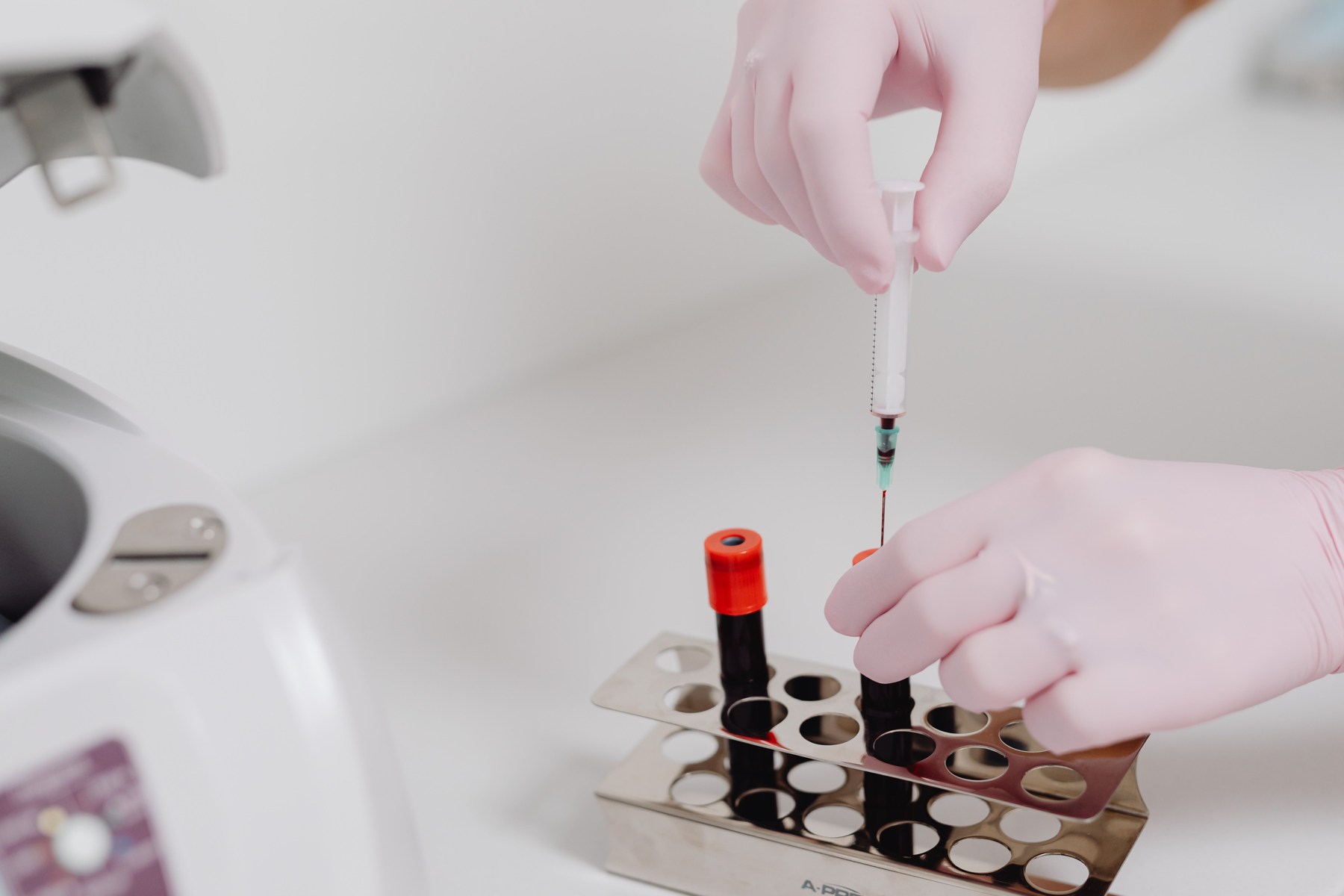
Share your departure date and ask about likely appearance changes, aftercare and when you should be reviewed. Request written instructions, an urgent contact route and a record of the products or devices used. Do not choose a session solely because a promotional package describes it as quick. The laboratory photographs here are illustrative stock images, not PRP treatment documentation or evidence of results. This guide is educational and does not recommend a clinic or establish that any named partner provides PRP.
EXPLORE THIS STORY
Partner message
Understand your skin before choosing your next step
Choosing skincare starts with understanding your skin’s needs, sensitivities and the concerns you want to address. A product label or an online routine cannot determine whether cosmetics or a medical assessment are the right next step for you.
If you are unsure where to start, you can enquire about a professional skin consultation at Seolreim Clinic near Gangnam Station in Seoul. A clinician can assess your concerns and discuss skincare and dermatologic procedure options where appropriate, including suitability, risks and costs. A consultation does not mean you need a procedure.