Korean Skincare for Sensitive Skin: What to Check Before Opening Your Seoul Haul
A practical guide to ingredient records, cautious product testing and buying fewer unfamiliar formulas on a short trip.
Searching for Korean skincare for sensitive skin can produce an overwhelming shopping list. For a Seoul visitor, a more useful first step is a record of what has caused problems before and which familiar products remain comfortable. No “gentle” label can promise that a new formula will suit every person.
Bring an ingredient record to the store
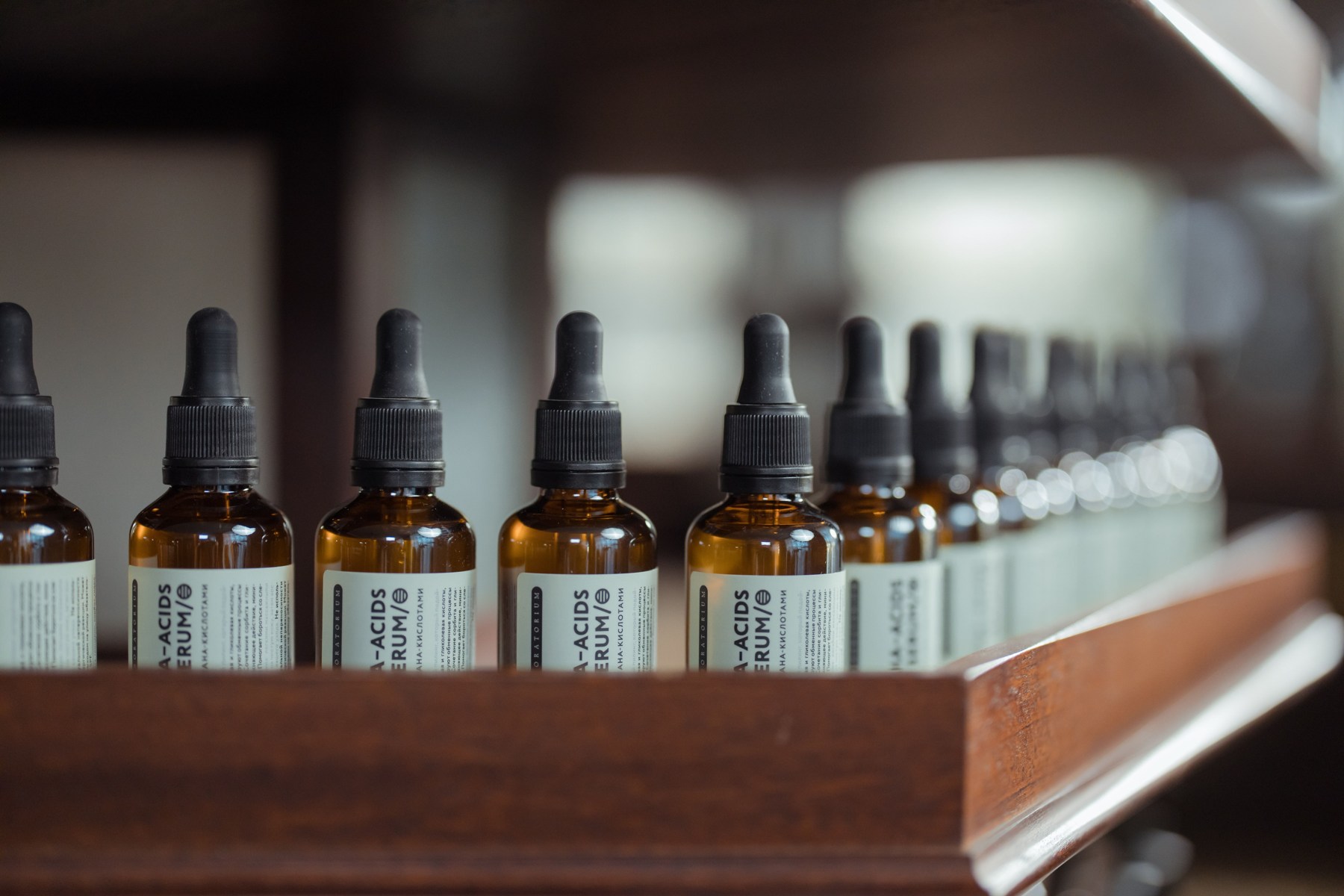
Keep photographs of products you use comfortably and products that have caused reactions. Ask for the full ingredient list of the exact item you are considering. A translated shelf card may be a summary, so save the outer box and written directions. A different product in the same range may have a different formula.
Allow time to test rather than opening everything
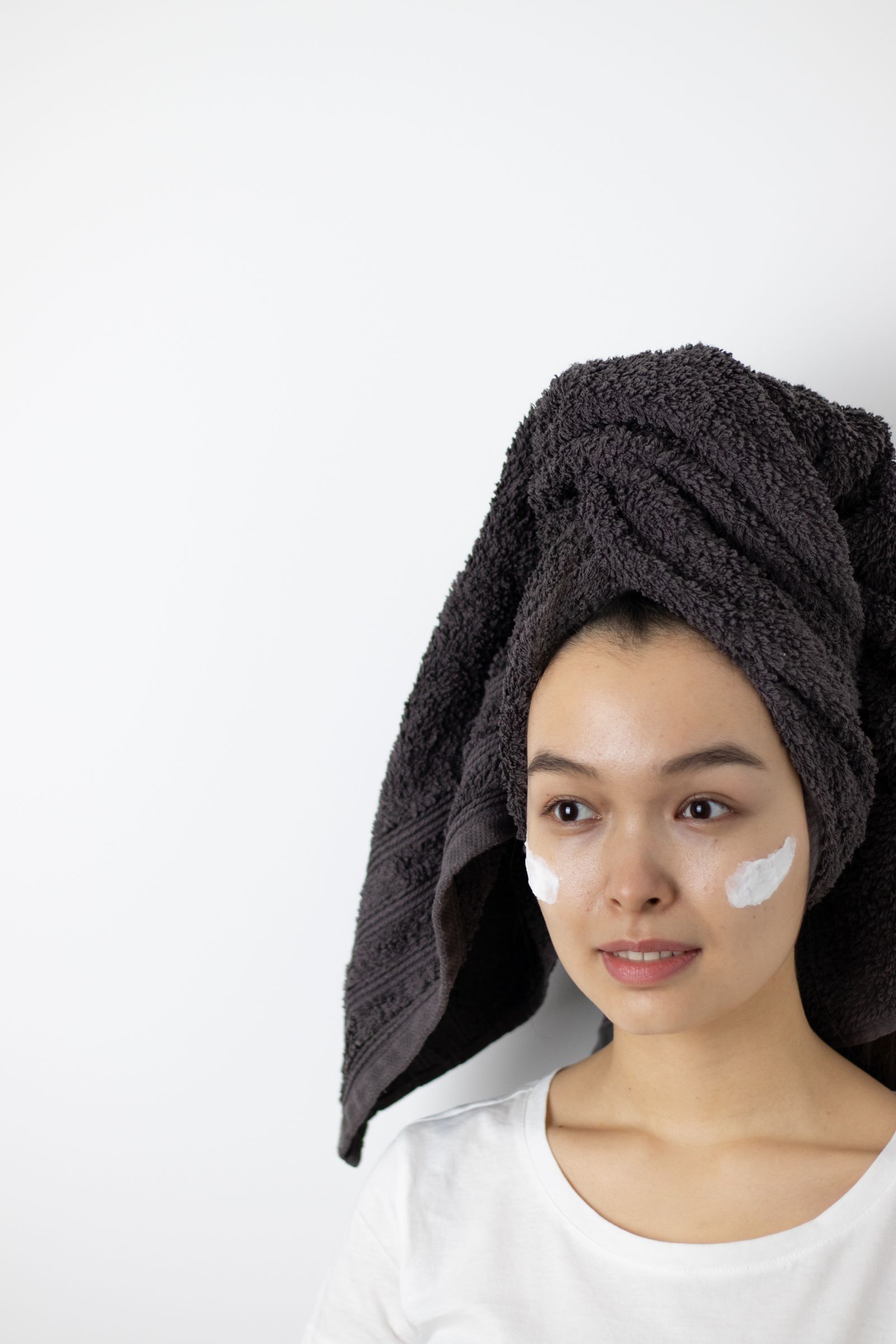
The AAD advises trying a skincare product on a small test area twice a day for seven to ten days before adding it to a routine, following its normal directions. Wash-off products should not be left on as if they were creams. If a reaction develops, stop the product and seek appropriate advice. This kind of home product check is not the same as medical allergy patch testing.
Do not let a bundle decide the routine
A travel kit can be convenient, but five unfamiliar formulas still leave five things to track. Buy with a plan for when each item will first be used. Keep a familiar routine available for your hotel stay and avoid treating every free sample as something that must be tried immediately.
A short list to save before checkout
- Photograph the product name, ingredients and use instructions.
- Record known allergies or previous reactions accurately.
- Ask how and how often the product is intended to be used.
- Keep the receipt and packaging.
- Get medical advice for persistent or worsening symptoms.
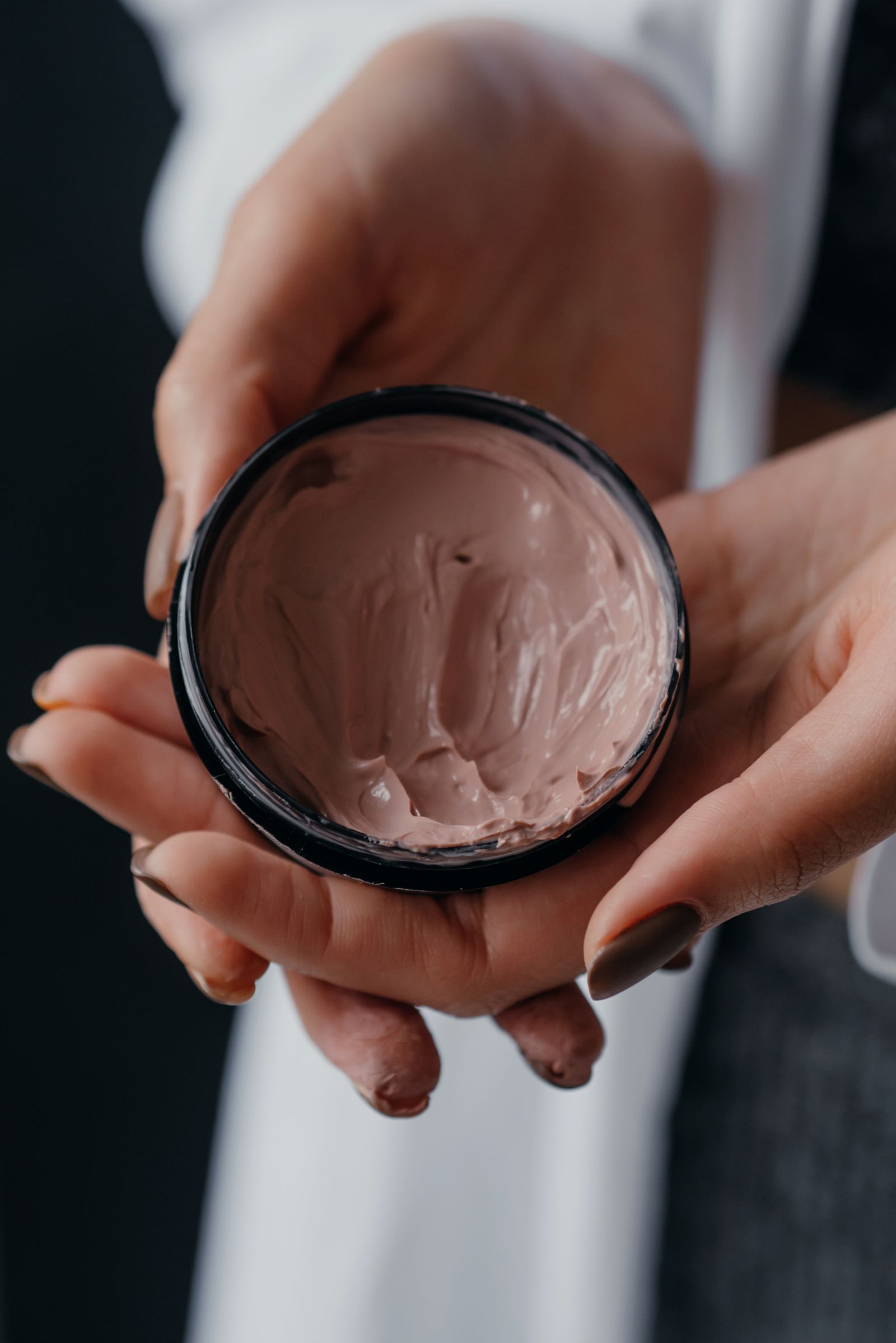
The goal is a purchase you can understand and introduce carefully, rather than a promise of irritation-free skin. The photographs are illustrative skincare stock images; they do not identify anyone as having sensitive skin or demonstrate a treatment result.
EXPLORE THIS STORY
Partner message
Understand your skin before choosing your next step
Choosing skincare starts with understanding your skin’s needs, sensitivities and the concerns you want to address. A product label or an online routine cannot determine whether cosmetics or a medical assessment are the right next step for you.
If you are unsure where to start, you can enquire about a professional skin consultation at Seolreim Clinic near Gangnam Station in Seoul. A clinician can assess your concerns and discuss skincare and dermatologic procedure options where appropriate, including suitability, risks and costs. A consultation does not mean you need a procedure.